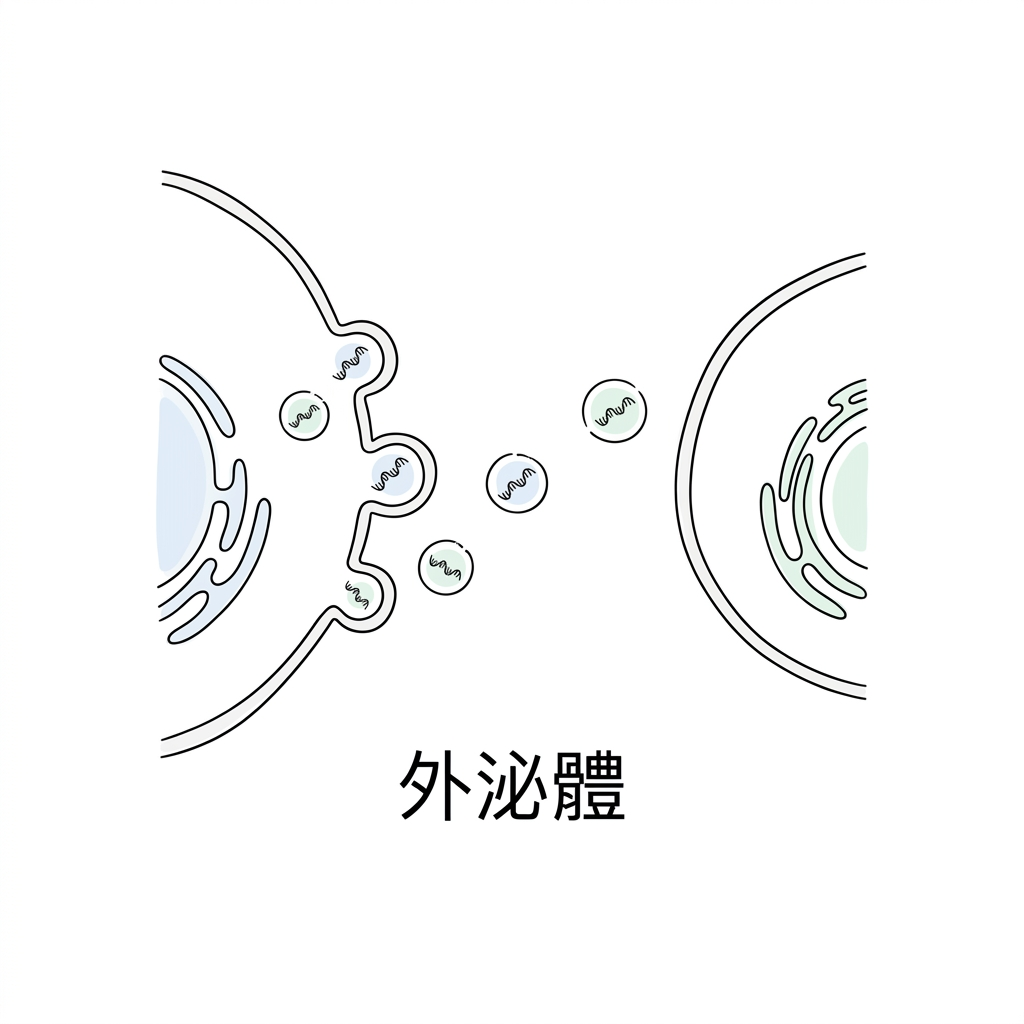
TL;DR: Behind the legendary young-blood experiments lies a surprising protagonist — not blood itself, but the trillions of nanoscale "parcels" floating within it. These are exosomes, and they may hold the key to reversing cellular aging.
The Legend of Young Blood
You've probably heard this one: researchers at Stanford transfused blood from young mice into old ones, and the elderly animals showed remarkable signs of rejuvenation in muscle, brain, and heart tissue. The scientific world was stunned, and for the first time, "reversing aging" felt like more than a fantasy.
But here's what most people miss: the real signal wasn't in the blood. It was in the billions of nanoscale vesicles drifting through it.
Scientists call them exosomes.
Think of every cell in your body as a busy warehouse. All day long, cells pack up messages — miRNA, proteins, even fragments of DNA — into tiny membrane-bound bubbles, slap on address labels, and hand them off to the body's molecular postal network. These bubbles, ranging from 30 to 150 nanometers in diameter (a thousand times thinner than a strand of hair), navigate the bloodstream to reach distant cells, delivering instructions that can fundamentally change how the recipient behaves.
Aging, at its core, is what happens when this courier system starts sending the wrong messages. And what scientists are now exploring is whether we can re-route the delivery — sending "young parcels" back into aging tissue.
How Does a Nanoscale Package Convince an Old Cell to Start Again?
Have you ever wondered why aging cells eventually just... stop?
Under normal circumstances, cells repair their DNA and get back to work. But with age, more and more cells enter a state called Cellular Senescence — they stop dividing, refuse to die, and instead pump out a steady stream of inflammatory signals. Think of them as burnt-out employees who won't quit but make everyone around them miserable. This chronic, low-grade inflammation is one of the core drivers of accelerated aging.
In 2025, a study published in Cell Metabolism changed how we think about this. Bi et al. demonstrated that exosomes carrying a specific microRNA — miR-302b — could directly unlock stalled senescent cells and restore their proliferative capacity. The mechanism: miR-302b silences a key regulator that keeps cells locked in the senescent state, effectively picking the padlock. In animal models, mice injected with these exosomes showed measurable reversal of tissue aging markers.
The exosomes reprogrammed a cell's fate from the inside out — not just making cells divide more, but rewriting what they were allowed to become.
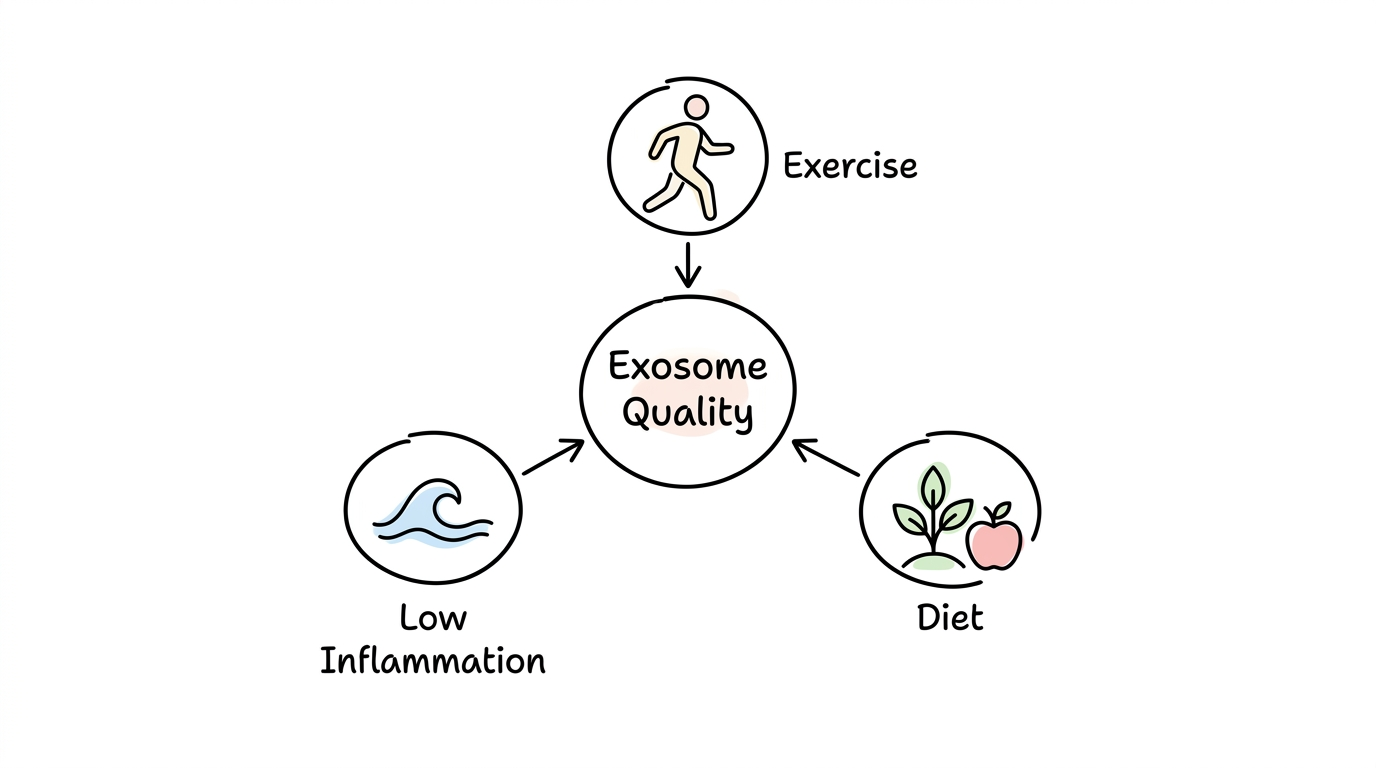 Fig. 1: Exosome-mediated rejuvenation pathways in aging tissue
Meanwhile, Zhang et al. (Signal Transduction and Targeted Therapy, 2024) systematically compared exosomes derived from two types of human mesenchymal stem cells (MSCs): adipose tissue-derived MSCs and umbilical cord-derived MSCs. Both suppressed oxidative stress, reduced inflammatory signaling, and slowed cellular senescence — though with distinct potency profiles. The takeaway: the "formula" matters, and like medicine sourced from different regions, the origin of the exosome shapes its therapeutic character.
Aging Is More Than Skin Deep: How Exosomes Rebuild Systemic Defenses
You might think aging is mostly cosmetic. It isn't.
Aging is a system-wide failure: accumulated oxidative damage, declining mitochondrial efficiency, depleting stem cell reserves, and immune dysregulation — all tangled together into a feedback loop that accelerates deterioration.
Rodrigues et al. (Aging Cell, 2024) showed that exosomes can deliver targeted miRNA cocktails that act as a multi-layer protection system for aging tissue. Some of these miRNAs shut down pro-inflammatory gene circuits; others activate autophagy, the cellular "housekeeping" process that clears damaged proteins and organelles.
Boulestreau et al. (Aging, 2024) went further: MSC-derived exosomes simultaneously reversed multiple dimensions of the senescent cell phenotype — restoring mitochondrial function, lowering oxidative stress markers, and improving intercellular signaling coordination, all at once. Imagine upgrading not just the cooling fan in an old computer, but the entire operating system.
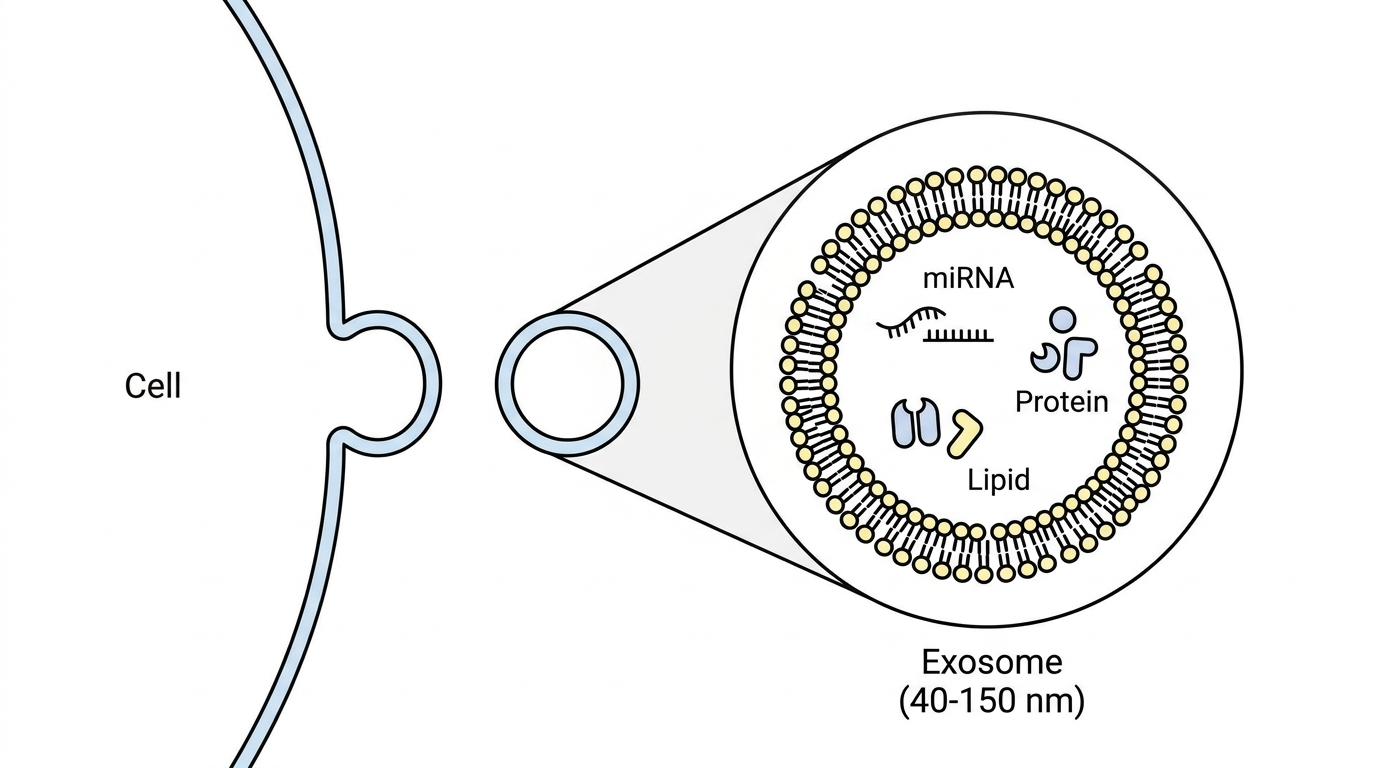 Fig. 2: Multi-dimensional repair by MSC-derived exosomes
By the numbers: Boulestreau et al. (2024) found statistically significant reductions in senescence markers including p21, IL-6, and ROS levels following MSC exosome treatment, with results reproducible across multiple MSC sources.
Exosomes: Both the Answer and the Mirror
How close are these findings to actual human therapy?
Closer than you think — and more complicated than you'd hope.
MSC-derived exosomes have already entered clinical trials for anti-inflammatory applications, tissue repair, and neuroprotection. But aging research carries a unique challenge: how do you measure "how old" someone really is? Chronological age is a blunt instrument.
Nogueras-Ortiz et al. (Journal of Extracellular Vesicles, 2024) tackled this with a precise method: using single-vesicle analysis, they validated the neural adhesion molecule L1CAM as a biomarker for brain aging — detectable on the surface of blood-circulating exosomes. This means that one day, a blood test could "read" how aged your brain is, the way a forensic examiner might estimate an author's age from the style of a letter.
The deeper implication: the diagnostic and therapeutic platform may be the same. Exosomes can tell you where aging has taken hold, and carry the corrective signal back to that exact location. No other drug-delivery platform offers this dual-use precision.
Three hard problems remain: scaling up production, keeping quality consistent from batch to batch, and getting the exosomes where they need to go before the body clears them out.
Reflect: If a single blood draw could tell you your biological age down to the year, would you want to know? And if exosome therapy proved safe and effective, at what stage of life would you start?
Closing: Youth Isn't a Return — It's a Re-Program
Aging was never a single event. It's the slow unraveling of the cell-to-cell communication network — the gradual deterioration of the body's internal postal system.
What exosome research offers is a real prospect: we may not need to "feel young again." What we need is for cells to start receiving the right messages.
miR-302b unlocking stalled senescent cells. MSC exosomes repairing mitochondria and dampening inflammation at once. L1CAM exosomes reading brain age from a blood draw. All point the same way: aging is intervenable, and exosomes may be our most precise intervention yet.
Science is still en route. But the direction is clear. What you can do today: protect the habits that help your cells produce better exosomes — exercise, sleep, antioxidant-rich nutrition. Because every cell in your body is deciding, right now, what kind of package it will send tomorrow.
References
- Bi et al. (2025). Exosomal miR-302b rejuvenates aging mice by reversing the proliferative arrest of senescent cells. Cell Metabolism. doi: 10.1016/j.cmet.2024.11.013
- Zhang et al. (2024). Human adipose and umbilical cord mesenchymal stem cell-derived extracellular vesicles mitigate photoaging. Signal Transduction and Targeted Therapy. doi: 10.1038/s41392-024-01993-z
- Rodrigues et al. (2024). Extracellular vesicle-encapsulated miR-30c-5p reduces aging-related pathology. Aging Cell. doi: 10.1111/acel.14310
- Nogueras-Ortiz et al. (2024). Single-extracellular vesicle analyses validate L1CAM as a biomarker of neuron-derived EVs. Journal of Extracellular Vesicles. doi: 10.1002/jev2.12459
- Boulestreau et al. (2024). Anti-aging effect of extracellular vesicles from mesenchymal stromal cells. Aging. doi: 10.18632/aging.206158