Best For
Biology instructors looking for a customizable, open-source 3D cell visualization tool to supplement their coursework. Also relevant for front-end developers who want a React Three Fiber reference project for scientific education.
How I Actually Use It
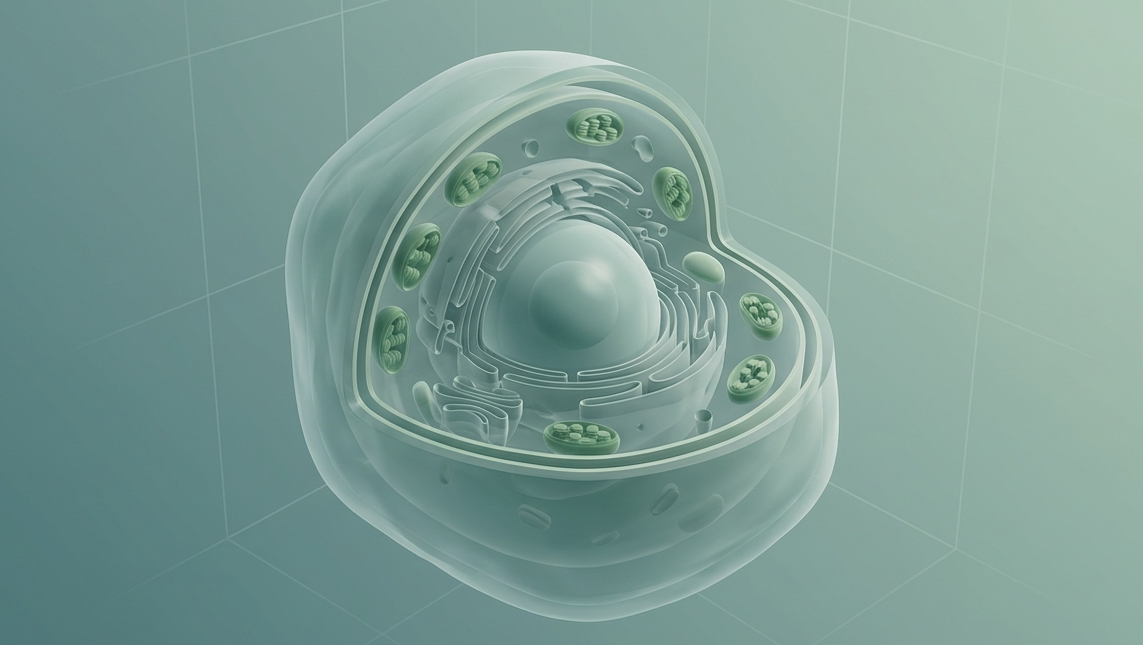
I evaluated this tool through its Live Demo and source code review while searching for digital teaching aids for a university-level biotechnology course. The workflow: pick a cell type from the seven available specimens, toggle between Mesh and Focus modes to isolate organelles, and use the AI Tutor panel for guided learning prompts. Plant Cell and White Blood Cell are the two standout specimens with proper GLB models. For the other five, the procedural geometry fallback is visually underwhelming and not suitable for classroom use.
Where It Is Strong
- Modern tech stack (React 19, TypeScript 5.9, Vite 7.2, Three.js r181) makes it easy to fork and extend.
- The two high-fidelity GLB specimens (Plant Cell, White Blood Cell) demonstrate that the rendering pipeline works well when assets are available.
- AI Tutor panel concept (learning prompts, curriculum focus, mastery tracking) is thoughtfully designed for self-paced learning.
- Mesh/Focus mode switching and comparison mode are genuinely useful pedagogical features for step-by-step structural breakdown.
- MIT license with no backend dependencies means zero privacy or lock-in risk.
Where It Fails
- Only 2 out of 7 cell specimens have high-quality GLB models. The remaining five use procedural geometry that creates a jarring quality gap.
- Labeled as a local prototype with no production deployment track record.
- Key roadmap items remain incomplete: lazy loading, full organelle annotation, and 3D export.
- Not packaged as an npm library, so adoption requires a full fork, increasing maintenance burden.
Pricing, Difficulty, and Risk
Completely free and open-source under MIT. Intermediate difficulty: you need working knowledge of React and Three.js to fork and customize. The main risk is investing effort into a prototype that may not reach production maturity. GLB assets sourced from third-party modeling require supply-chain trust verification before classroom deployment.
Verdict
A promising architectural sketch for 3D biology education, not a finished tool. Biology educators should bookmark it and revisit when GLB asset coverage reaches at least six of seven specimens. Developers looking for a React Three Fiber education template will find the codebase instructive regardless.