
Best For
This is best for people running Claude Code frequently enough that response style and token spend actually matter. If you do repetitive, high-output work, a tighter behavior file can be worth it.
How I Actually Use It
I would not copy the whole repository as-is. The useful move is to extract a shorter, sharper ruleset for a specific workflow. The project matters because it forces you to think in total token cost, not just shorter answers.
Where It Is Strong
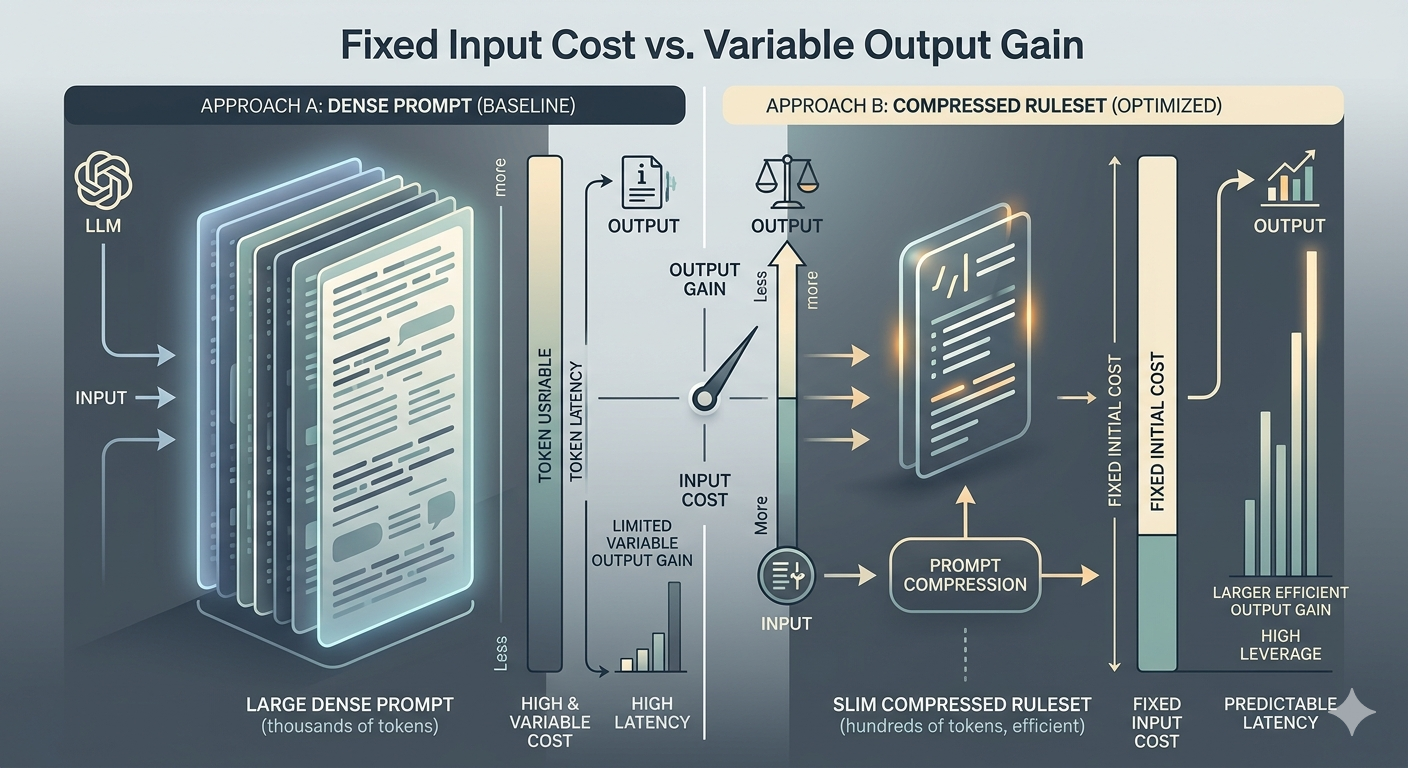
- It reframes token efficiency as an input-output tradeoff
- It is easy to test because it is just text, not executable code
- It can reduce fluff in repetitive coding or automation tasks
- It gives practical examples of stricter response discipline
Where It Fails
- A long
CLAUDE.mdcan erase the savings - Short tasks often do not benefit at all
- It does not replace structured outputs when format reliability matters
- It can conflict with your existing instruction stack if copied blindly
Pricing, Difficulty, and Risk
It is open-source and operationally simple. Difficulty is moderate because the hard part is not installation. The hard part is deciding where token savings are real and where they are illusion. The main risk is adopting a longer rules file and paying more overall.
Verdict
Use the idea, not the template worship. It is worth testing in high-volume workflows, but it is not a universal fix for every Claude session.