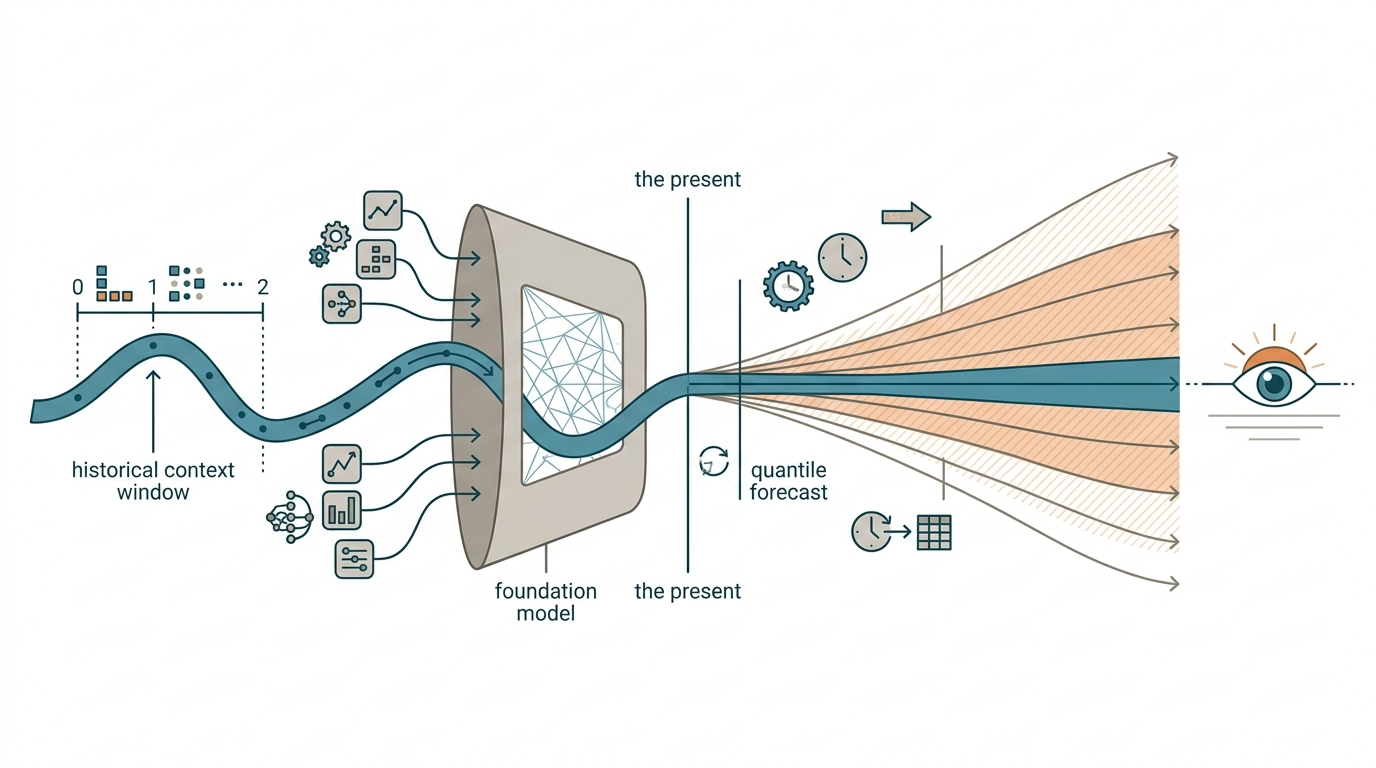
Best For
TimesFM is best for researchers, analysts, and engineers who want a fast zero-shot baseline for univariate time-series data before committing to heavier modeling work.
How I Actually Use It
The real appeal of TimesFM is not the foundation-model label on its own. It is that the model makes a practical workflow possible: you can get a reasonable baseline before you spend time training something custom.
That matters early in research, when you are still deciding whether a series is worth deeper attention. It also sets the limit of the tool. TimesFM is not a universal forecasting platform. Move into multivariate setups, deeper customization, or domain-specific precision work, and the fit weakens fast.
Where It Is Strong
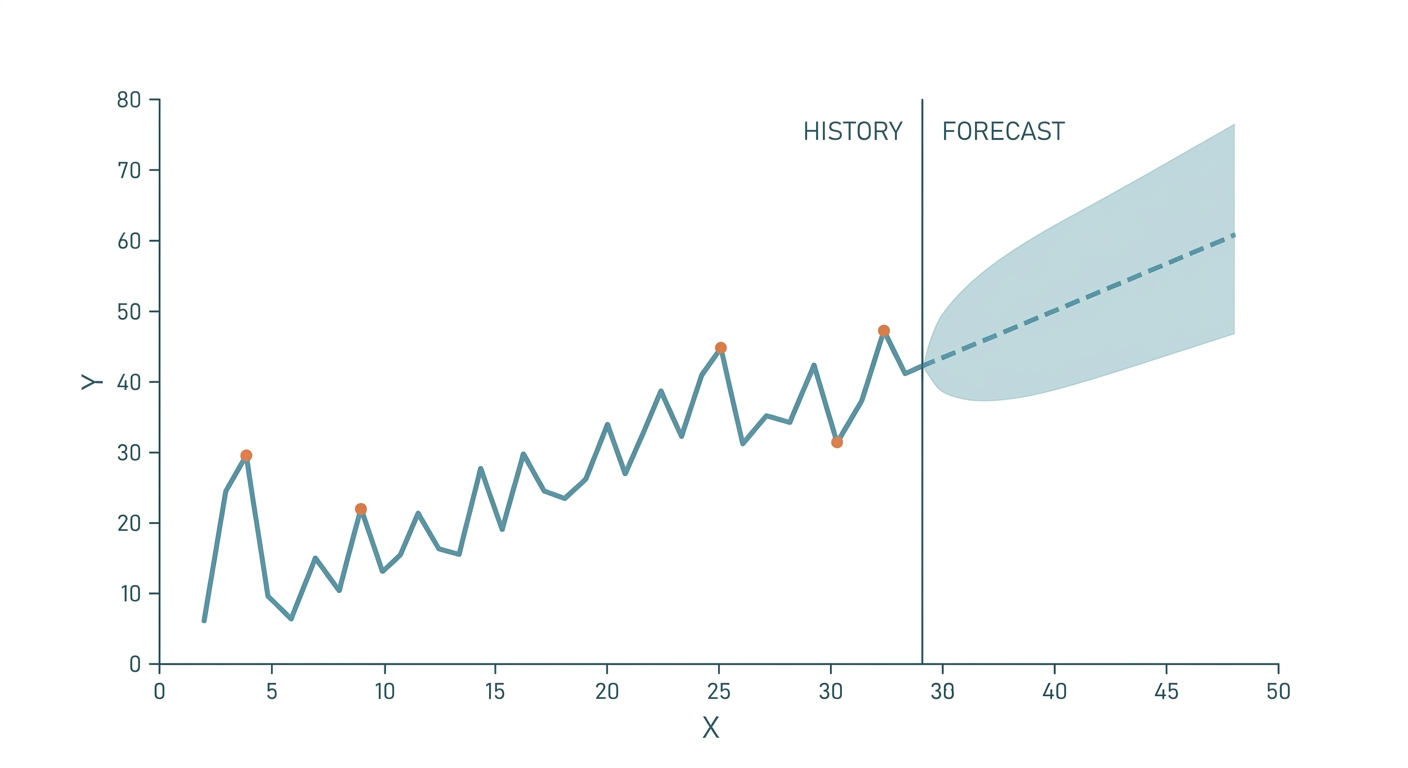
- Strong zero-shot baseline behavior
- Relatively light hardware requirements
- Friendly API and licensing
Where It Fails
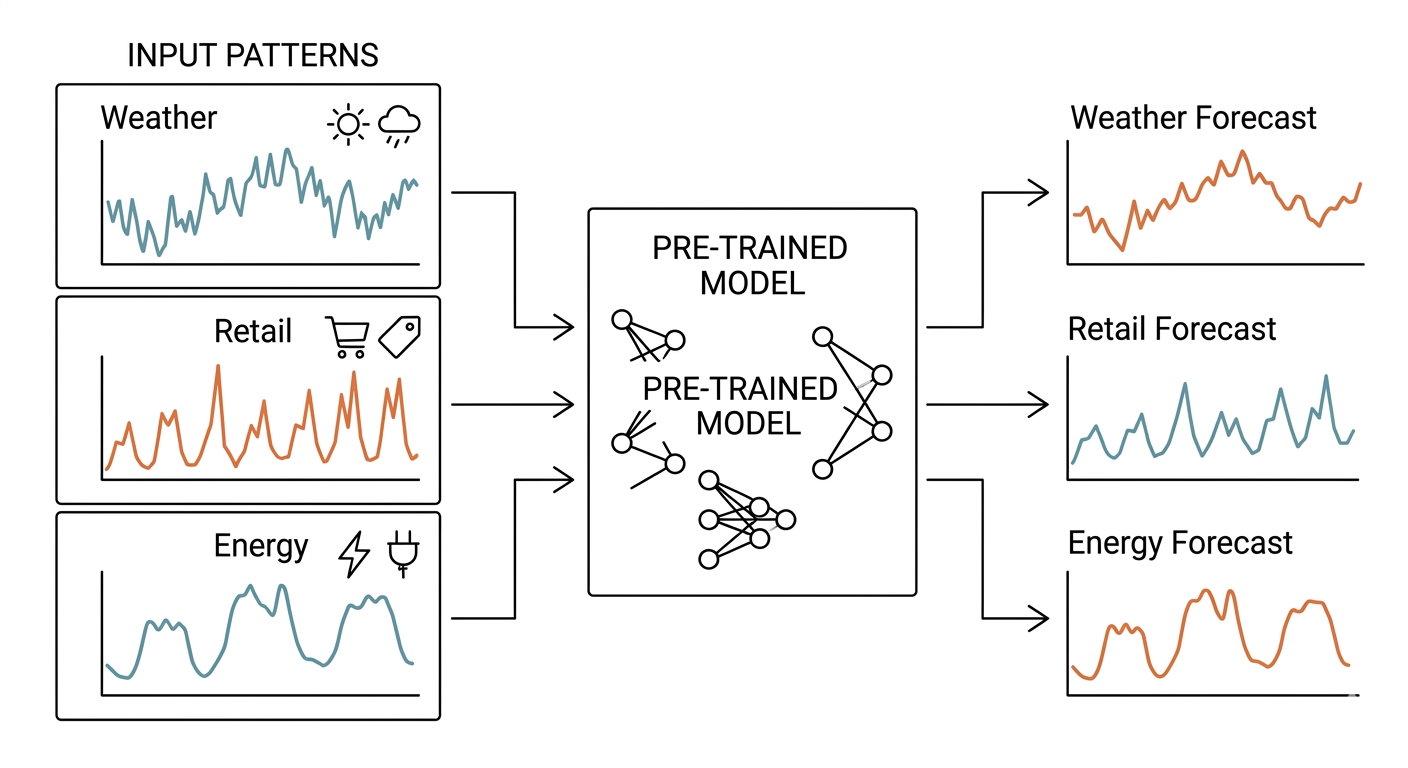
- The univariate boundary matters
- Fine-tuning and advanced customization are limited
- Covariate support increases environment complexity
Pricing, Difficulty, and Risk
This is open-source software, but the difficulty is still high because forecasting tools are easy to misuse. The main risk is not cost. It is applying the model outside the narrow problem shape where it is strongest.
Verdict
Use it if you want a strong zero-shot baseline for univariate forecasting. Do not mistake it for a universal answer to every time-series problem.