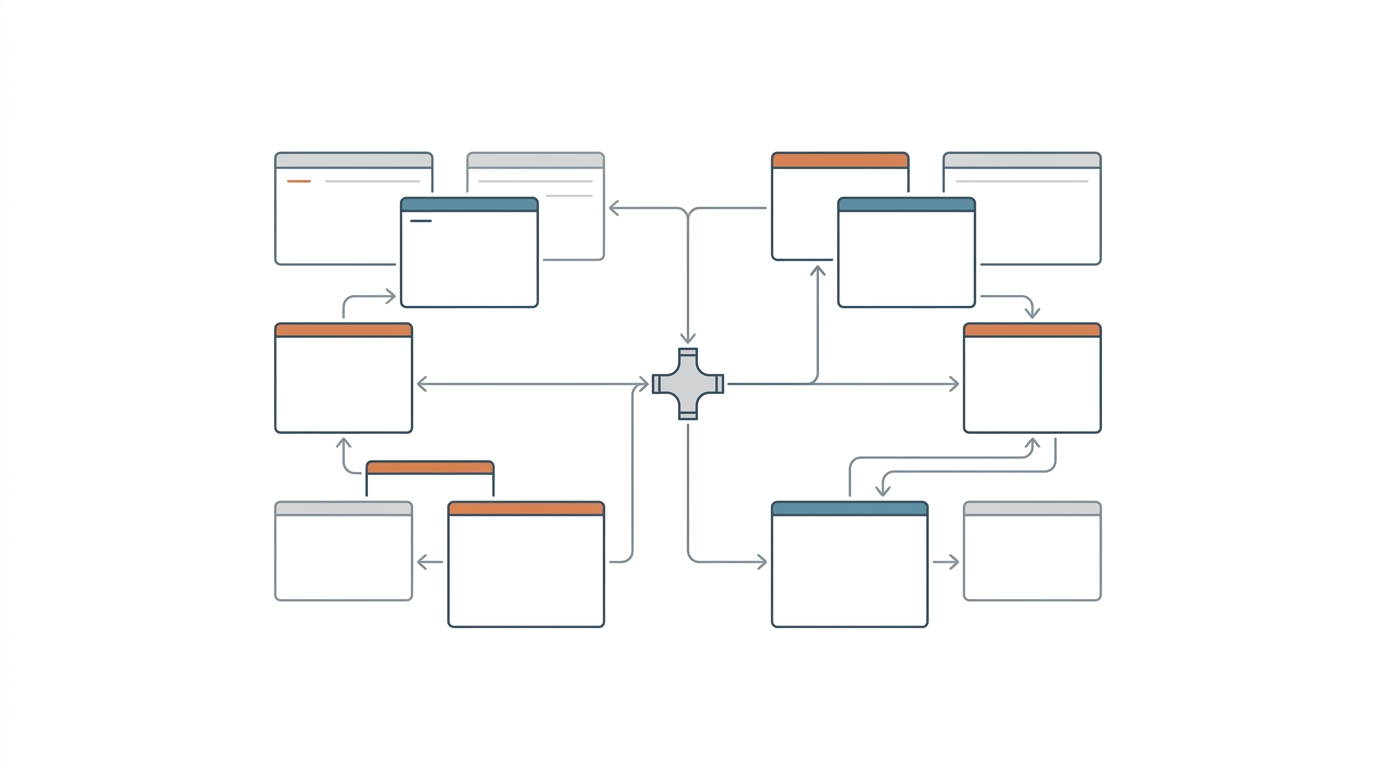
Best For
smux is best for tmux-heavy power users who want multiple CLI agents to coordinate across panes without committing to a heavier orchestration stack.
How I Actually Use It
The center of gravity in smux is not the theme or the keybindings. It is tmux-bridge. Once that exists, a pane stops being just a screen region. It becomes something you can read from, message, name, and control with a few shell commands.
That is exactly why it works so well for local experiments. It is also why I would not oversell it. smux is a bridge layer, not a governed platform. If you need strong isolation, audit trails, or safer permissions, the gap shows up fast.
Where It Is Strong
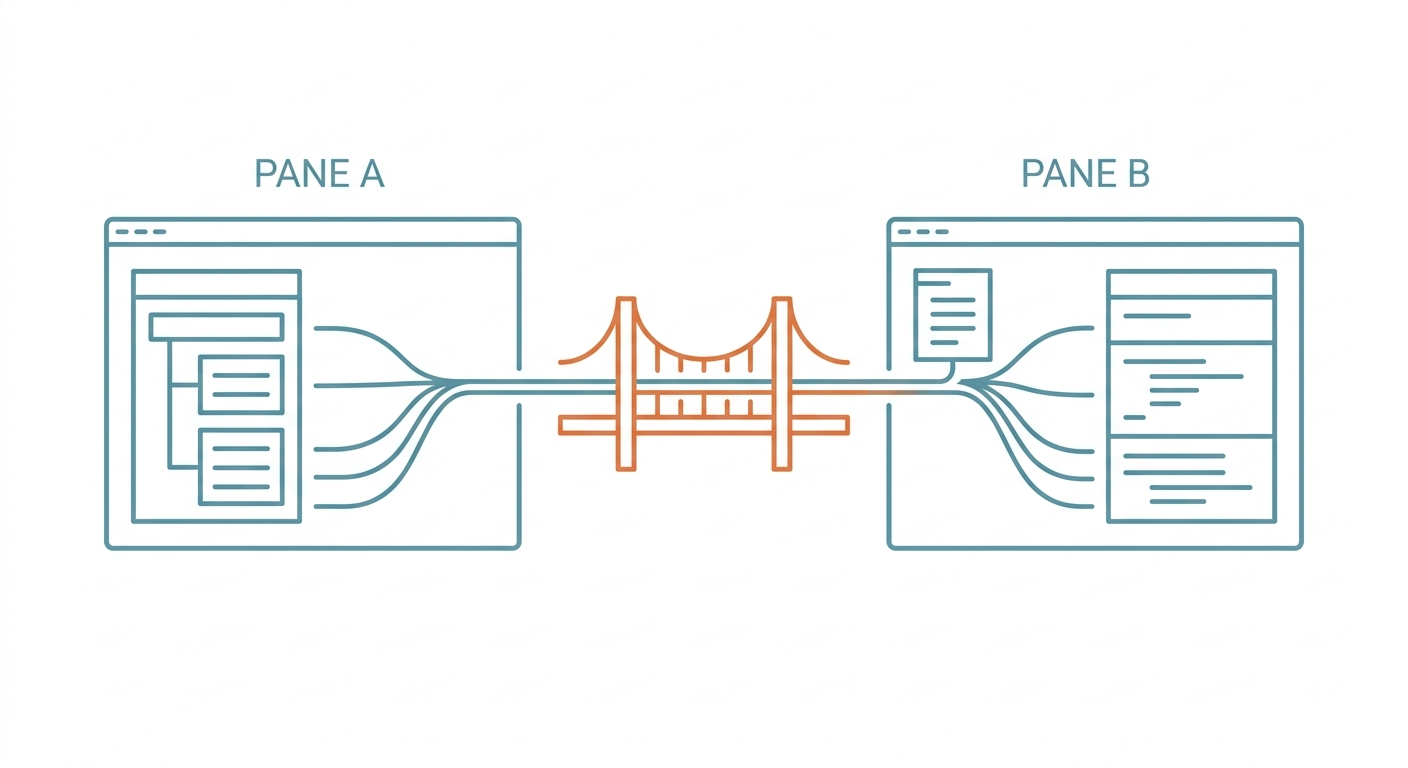
tmux-bridgemakes cross-pane coordination unusually direct- The shell-first design keeps the dependency load low
- It is a strong fit for local tmux-based multi-agent experimentation
Where It Fails
- Install-path and supply-chain risk should not be waved away
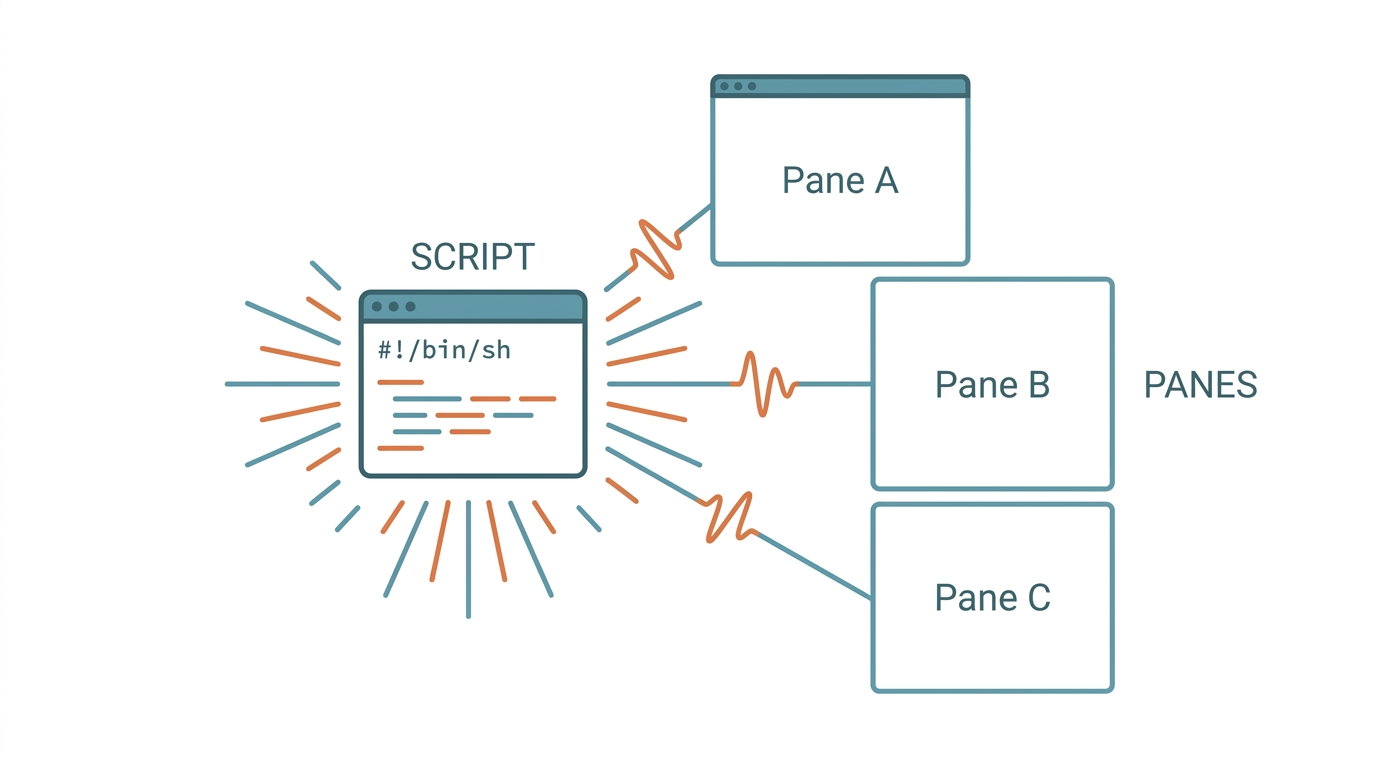
- Cross-pane control creates a real safety-boundary problem
- Runtime usability depends heavily on being in the right tmux context
Pricing, Difficulty, and Risk
This is open-source software, so the first cost is operational rather than financial. You need to understand tmux, shell behavior, and what it means to let one agent affect another pane. The danger is not that the tool is weak. It is that it is powerful enough to be overtrusted.
Verdict
Use it if you already live in tmux and want the fastest path to local multi-agent coordination. Do not mistake it for the default answer to sensitive or tightly governed workflows.