Best For
Developers entering the AI Agent space who want a structured overview of the entire ecosystem in one place. If you've been reading scattered blog posts about MCP, A2A, and ANP and still can't figure out how they relate to each other, this project answers that in a single comparison table. Also valuable for anyone who needs a minimal Agent template to prototype with — the SimpleAgent implementation is about 200 lines of Python.
How I Actually Use It
Three entry points worth your time.
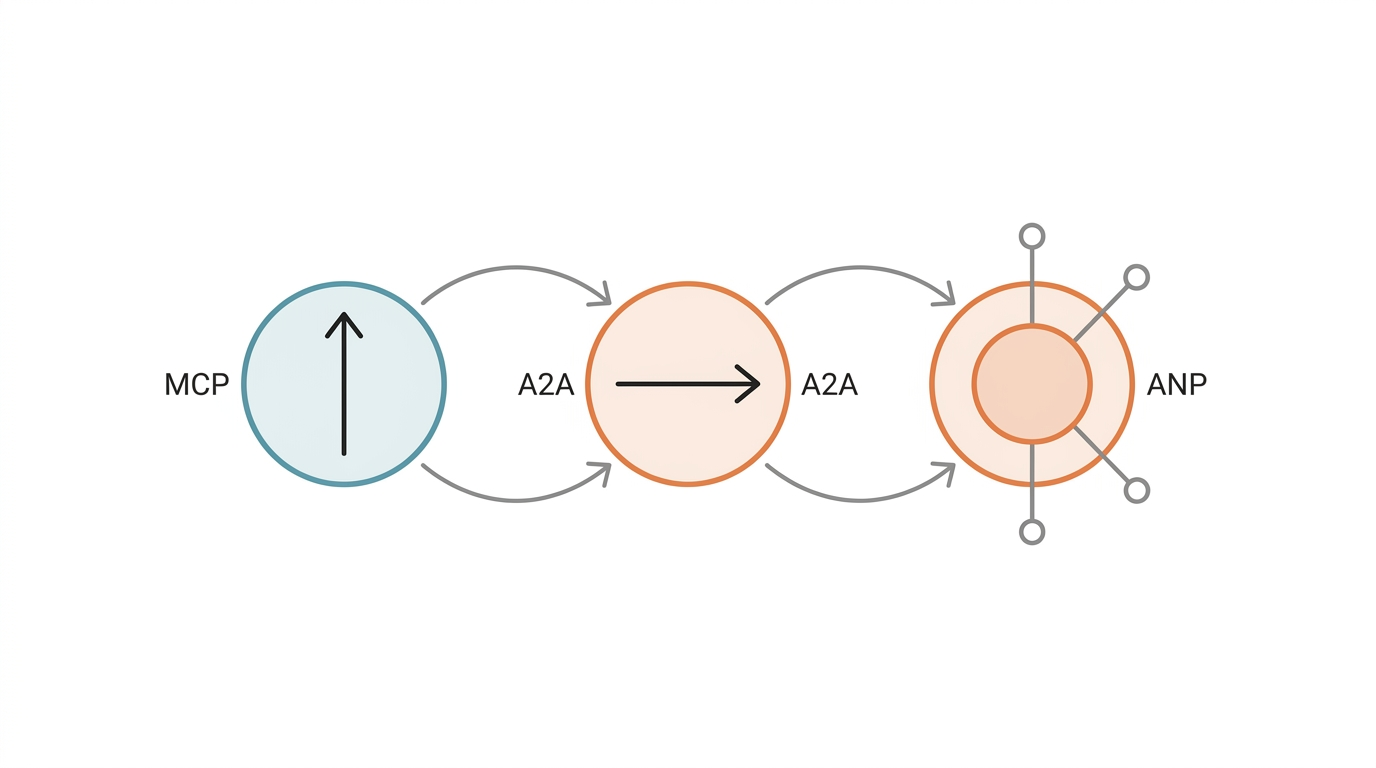
First, Chapter 10's protocol comparison. MCP handles tool invocation (vertical: LLM calls tools). A2A handles agent-to-agent communication (horizontal: agents collaborate). ANP handles agent discovery (multilateral: agents find each other). The comparison table makes the relationships clear in 10 minutes, which would take hours of reading three separate official docs.
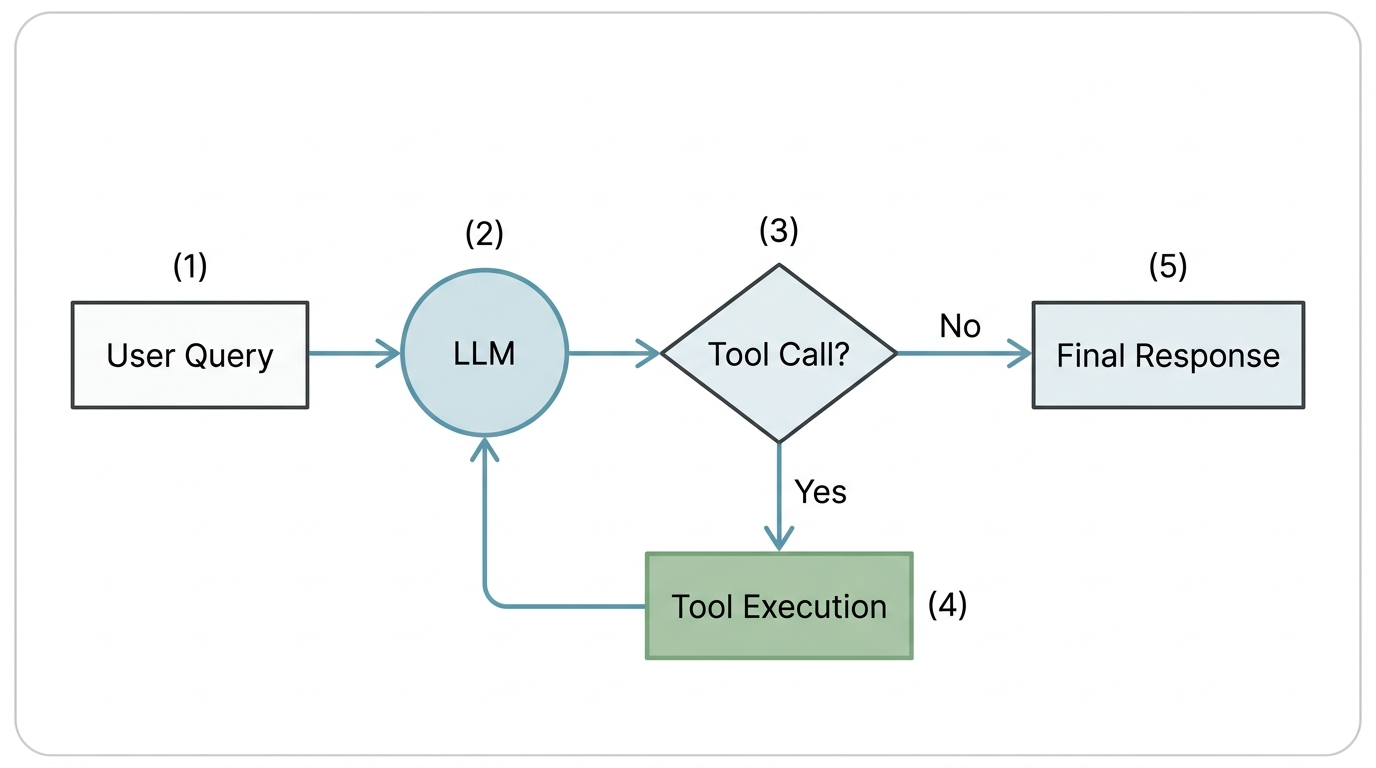
Second, Chapter 7's SimpleAgent. A minimal tool-calling loop in about 200 lines of Python. Parse [TOOL_CALL:] format, manage conversation history, integrate multiple tools. When you need to quickly prototype an agent without importing a heavy framework, copy this skeleton.
Third, Chapter 15's NPC memory system. Implements forgetting curves, episodic memory, and a 5-tier affinity system. A rare example of how to design an agent that forgets gracefully.
Where It Is Strong
- Protocol comparison is genuinely useful. MCP vs A2A vs ANP positioning, communication patterns, and use cases laid out in tables and architecture diagrams
- SimpleAgent is lean. Full tool-call loop without framework dependencies. Good for prototyping and teaching
- Three complete full-stack projects: deep search engine, PDF customer service bot, NPC ecosystem. Different agent patterns, all with runnable code
- Datawhale community maintains quality. This is reviewed and structured, not someone's raw notes
Where It Fails
- Simplified implementations. A2A and ANP are educational versions, not production-grade. Don't treat them as drop-in code for real systems
- China ecosystem defaults. Examples use DeepSeek for LLM, Amap for geolocation, Qdrant for vectors. You'll need to swap these for your own providers
- Vue 3 frontend. All three full-stack cases use Vue, not React. Concepts transfer but components don't
- Not a tool. Nothing to install, nothing to run in your daily workflow. This is for reading and learning
Pricing, Difficulty, and Risk
Free, Apache 2.0 license. Beginner-friendly — chapters are structured progressively. You need basic Python to run the examples. No privacy risk since everything is local. The main risk is treating educational code as production-ready when it isn't.
Verdict
If you're starting with AI Agent development and want one resource that covers protocols, frameworks, and full-stack deployment, this is the most organized option in Chinese right now. Experienced Agent developers will skim through quickly but may still find the protocol comparison table useful as a reference. Remember: this teaches you how agents work, it doesn't build agents for you.