
Best For
gstack is best for heavy Claude Code users who are no longer satisfied with a loose single-agent workflow and want something that behaves more like an engineering team system.
How I Actually Use It
What makes gstack interesting is not a single command. It is the operating model. The project is trying to give Claude Code a role-based language for planning, review, QA, shipping, and safety, so the tool starts to feel less like a solo assistant and more like a structured team.
That is also why I would not treat it casually. gstack is not a lightweight add-on. It changes how work is organized. Once unresolved security concerns enter the picture, the right stance is not excitement alone. It is controlled observation.
Where It Is Strong
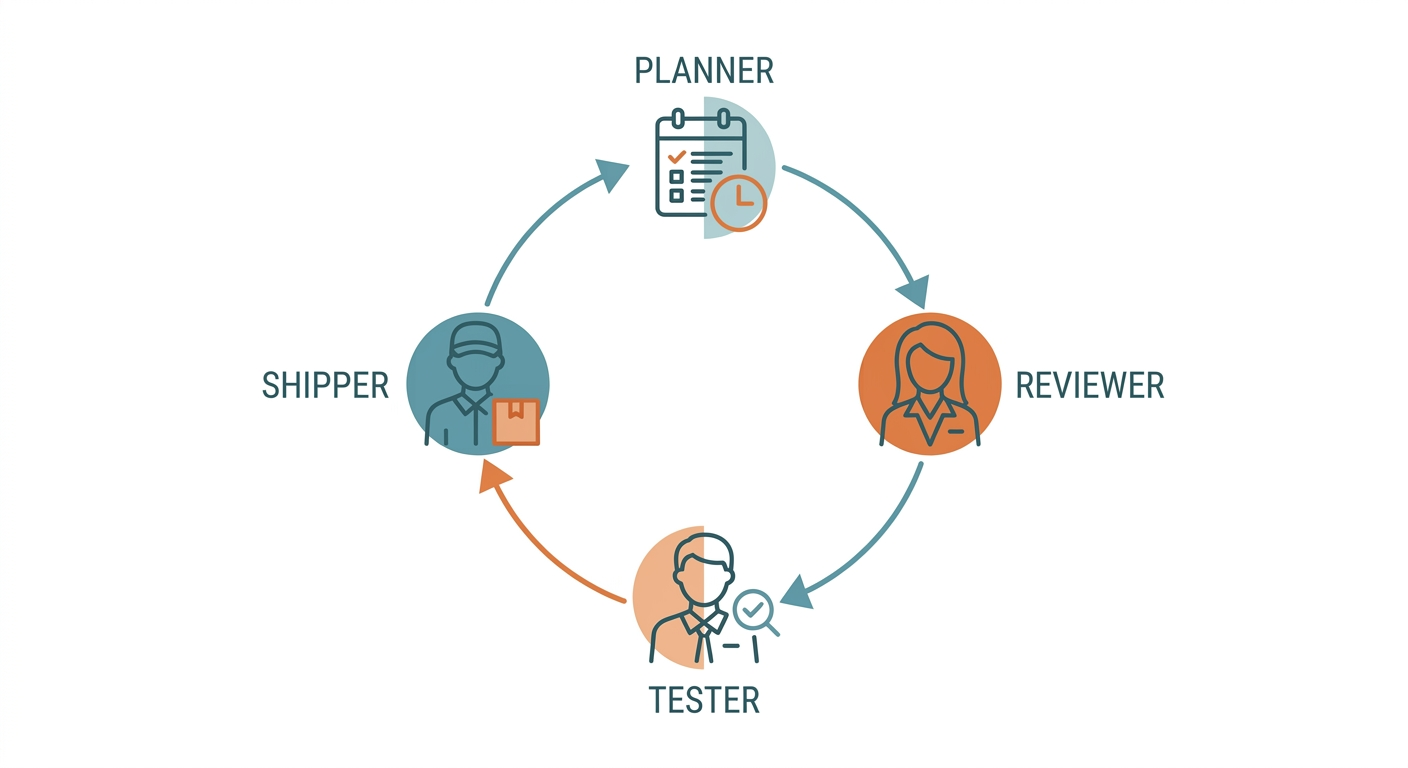
- The role-based workflow design is unusually complete
- It offers a stronger operating model for power users than a loose command list
- It spans planning, review, QA, deployment, and safety
Where It Fails
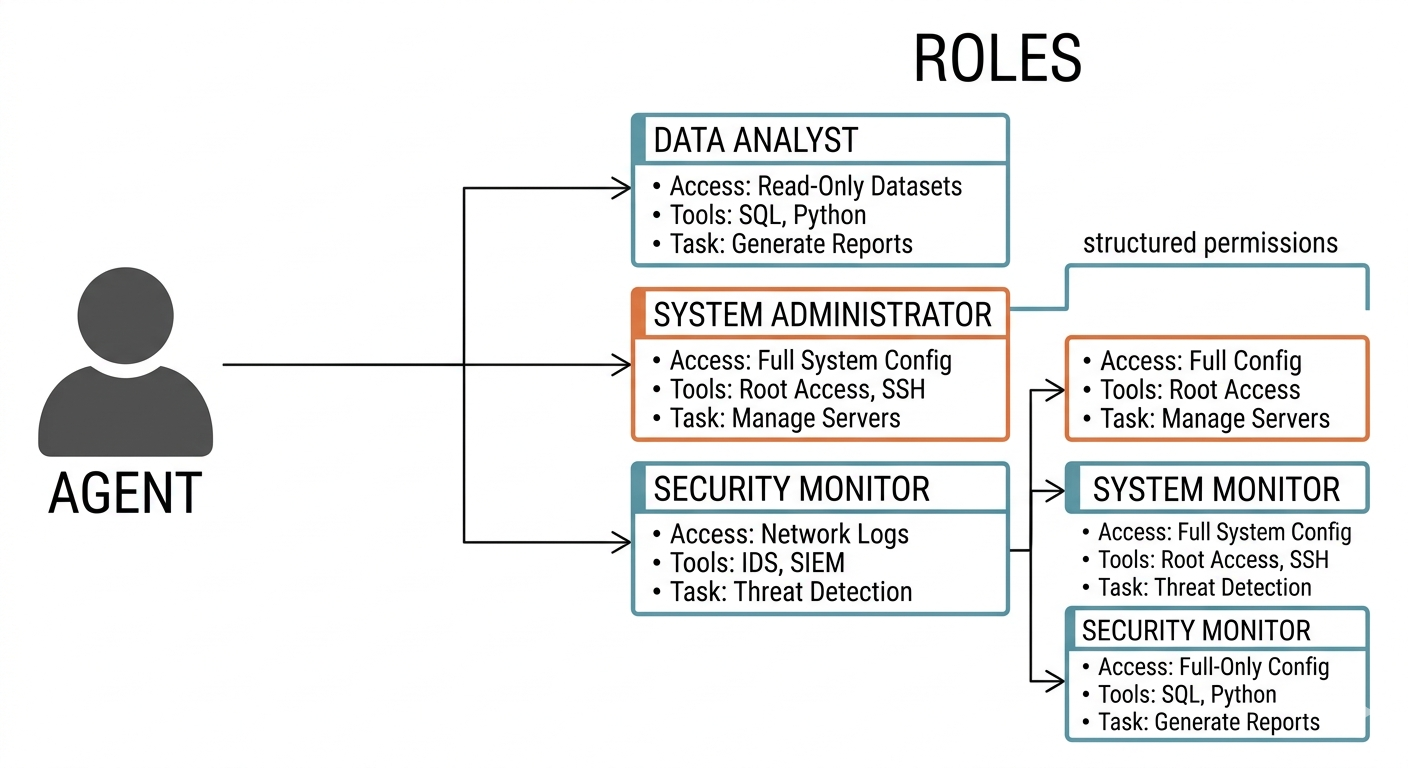
- Unresolved security issues directly affect the adoption decision
- Setup and dependency surface are too heavy for careless installation
- It can overlap with existing skills and create workflow confusion
Pricing, Difficulty, and Risk
This is open-source software, but the real cost is operational rather than financial. The difficulty is high because you are not merely adding a tool. You are importing a workflow system. The main risk is the mix of security boundary and adoption blast radius.
Verdict
Keep watching it if you want Claude Code to behave more like a role-structured engineering team. Do not treat it as a safe default until the security side catches up with the ambition.