Best For
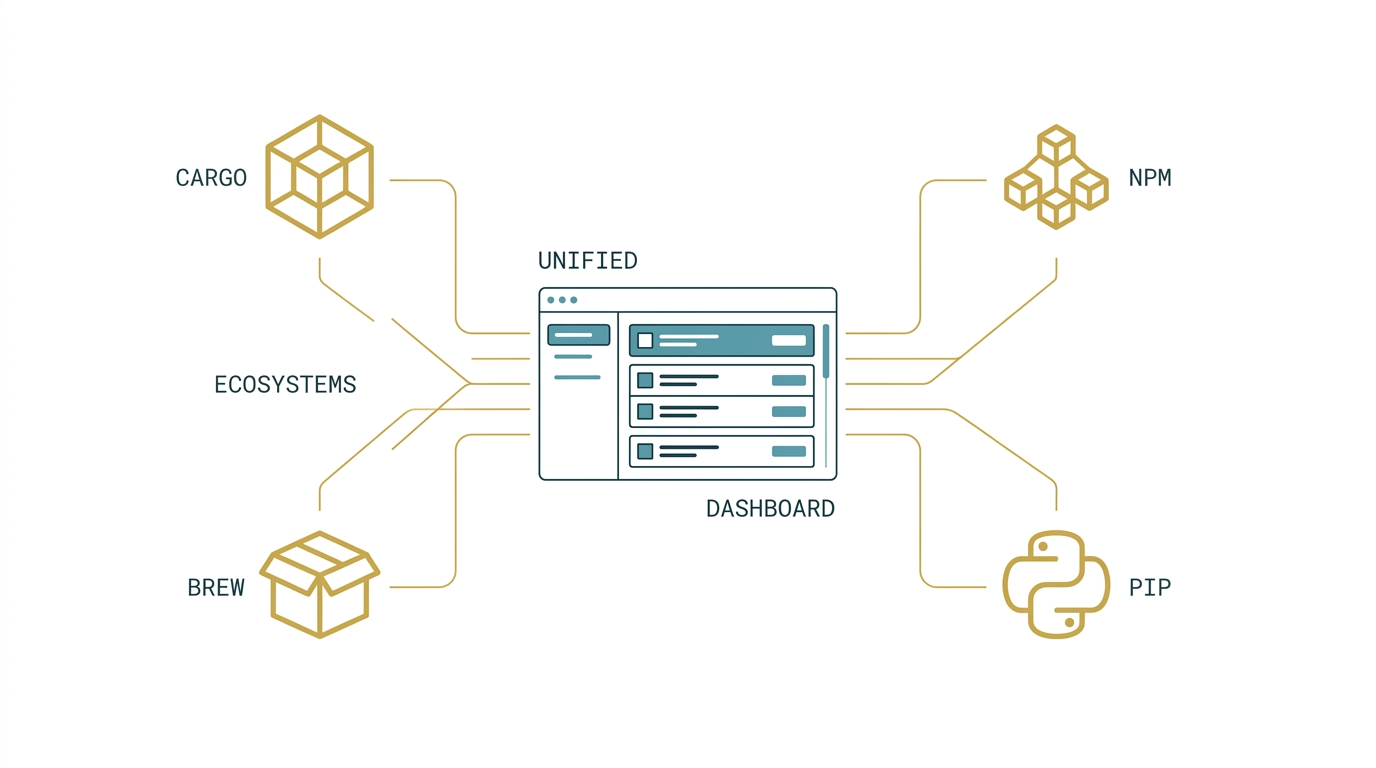
GlazePkg fits people whose personal workstation already spans multiple ecosystems like Homebrew, npm, pip, cargo, and more, and who want one place to inspect what is installed across all of them.
How I Actually See It
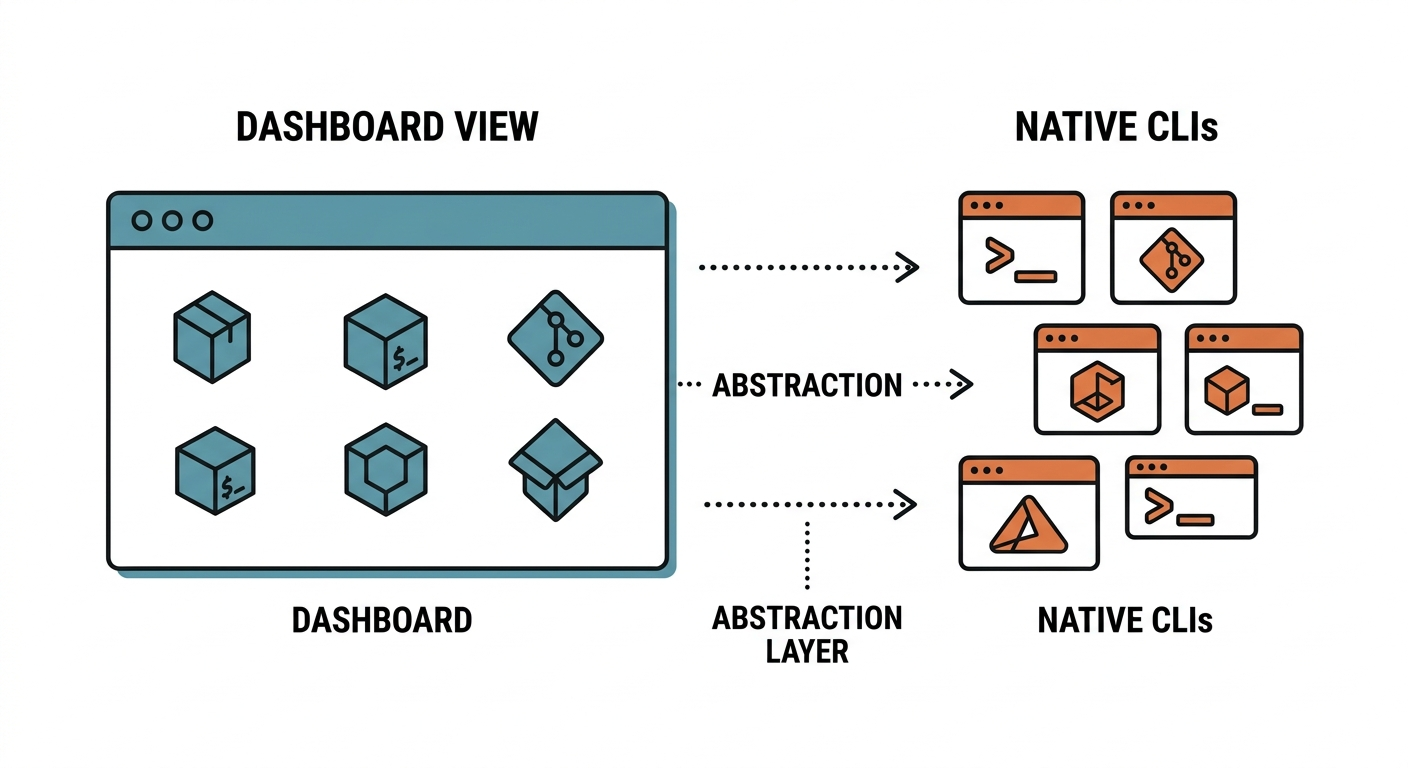
The interesting part of GlazePkg is not that it magically replaces package managers. It does not. What it really offers is a single interface that reduces the friction of checking many different ecosystems at once.
That can be genuinely useful on a busy developer machine. The problem is that native CLIs still remain the source of truth for deeper operations, and that matters. Once the novelty of a unified dashboard wears off, you still have to decide whether the abstraction layer is helping enough to justify another tool in the stack.
Where It Is Strong
- One interface across many package managers
- Useful for inventory and environment snapshots
- Static Go binary keeps deployment simple
- Good fit for personal workstation visibility
Where It Fails
- Native CLIs still do the deeper and more reliable work
- Abstraction can flatten important manager-specific behavior
- GPL-3.0 sharply narrows commercial integration use cases
- It is promising, but not obviously a tool to build around
Pricing, Difficulty, and Risk
It is open-source, so the real question is not price. The real question is fit. If you want a unified dashboard for your own machine, it has value. If you want a strategic foundation for broader workflows or commercial embedding, the license and overlap issues make it much harder to justify.
Verdict
I would keep GlazePkg in the limited-use bucket: useful for personal workstation management, not persuasive enough yet to become a core dependency.