Best For
The only defensible audience for CyberStrikeAI is someone studying it as a threat-intelligence or defensive research case, not someone looking for a workflow tool.
How I Actually Use It
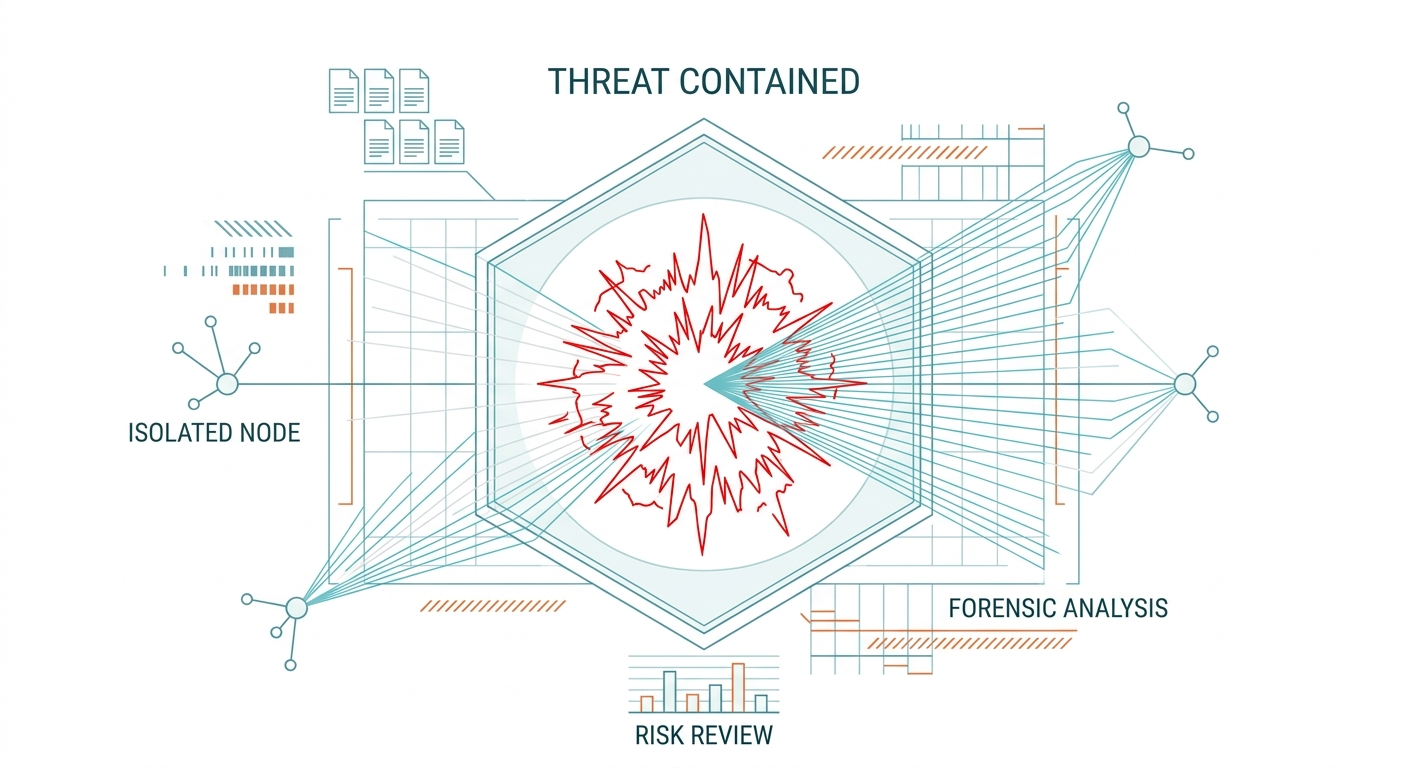
I do not use CyberStrikeAI as an operational tool. The useful question here is not how to run it. The useful question is what it teaches defenders about AI-assisted attack automation, lowered barriers, and the importance of isolation and authorization.
That makes it relevant as a subject of analysis, not as software I would install into a normal environment.
Where It Is Strong
- It is a concrete example of how AI can compress complex offensive workflows
- It is useful for defensive discussion about risk, governance, and misuse
- It helps security teams talk about capability versus acceptable use
Where It Fails
- Publicly documented malicious abuse changes the adoption decision
- It does not fit ordinary product, research, or biomedical workflows
- Installing it creates unnecessary legal, ethical, and security risk
- It should not be treated as a normal experimentation candidate
Pricing, Difficulty, and Risk
It is open-source, but the pricing label is almost irrelevant here. The real cost is risk. The difficulty is advanced, but the bigger issue is that there is no good reason to bring that risk into a normal workflow. This is a reject, not a trial recommendation.
Verdict
Reject it as a workflow tool. Only discuss it in isolated, authorized, defensive research contexts where the goal is understanding threat patterns rather than using the platform.