Best For
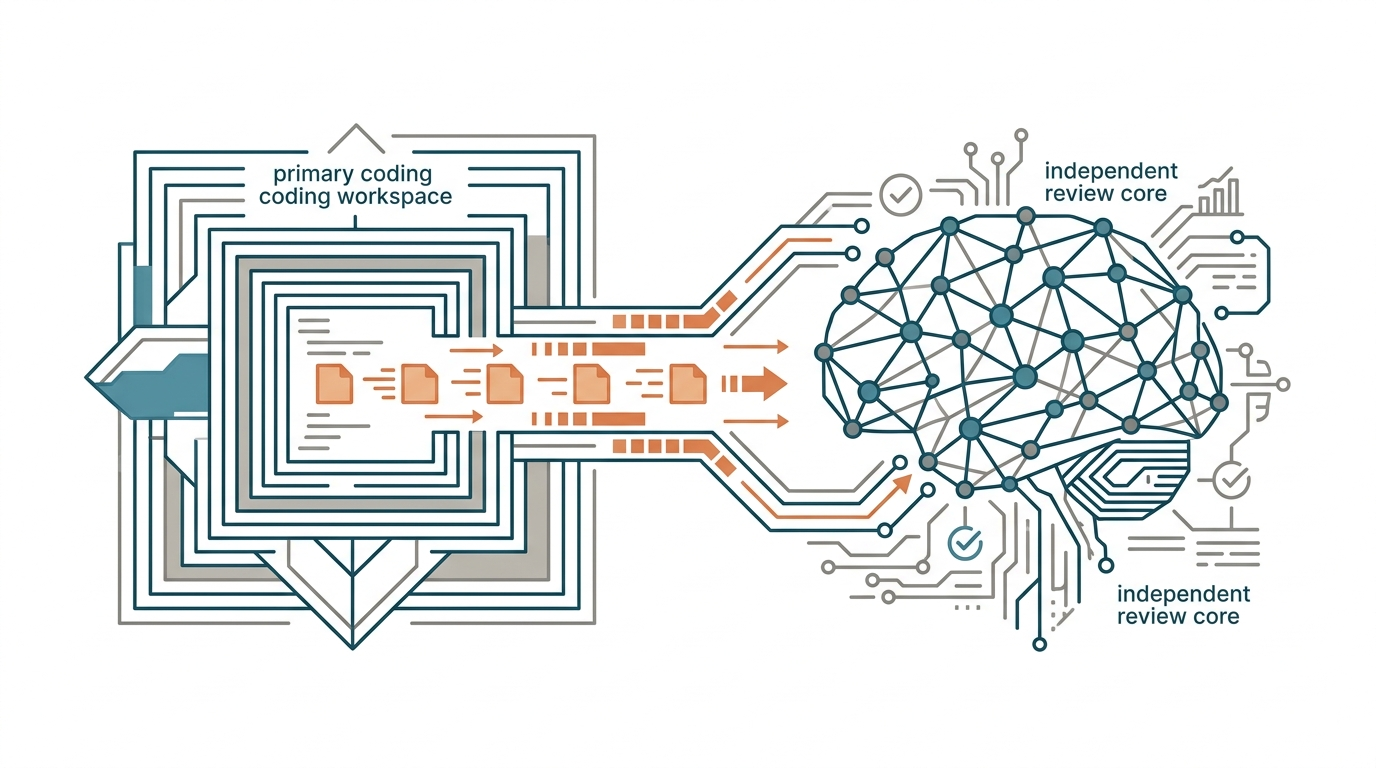
This plugin is best for people who already live inside Claude Code but do not want every important review to come from the same model family.
How I Actually Use It
The reason I care about this plugin is simple: it brings a genuinely different model system into the same workflow. That matters because difficult review problems often survive repeated passes from the same kind of mind. A second model family is one of the few ways to get a meaningfully different angle.
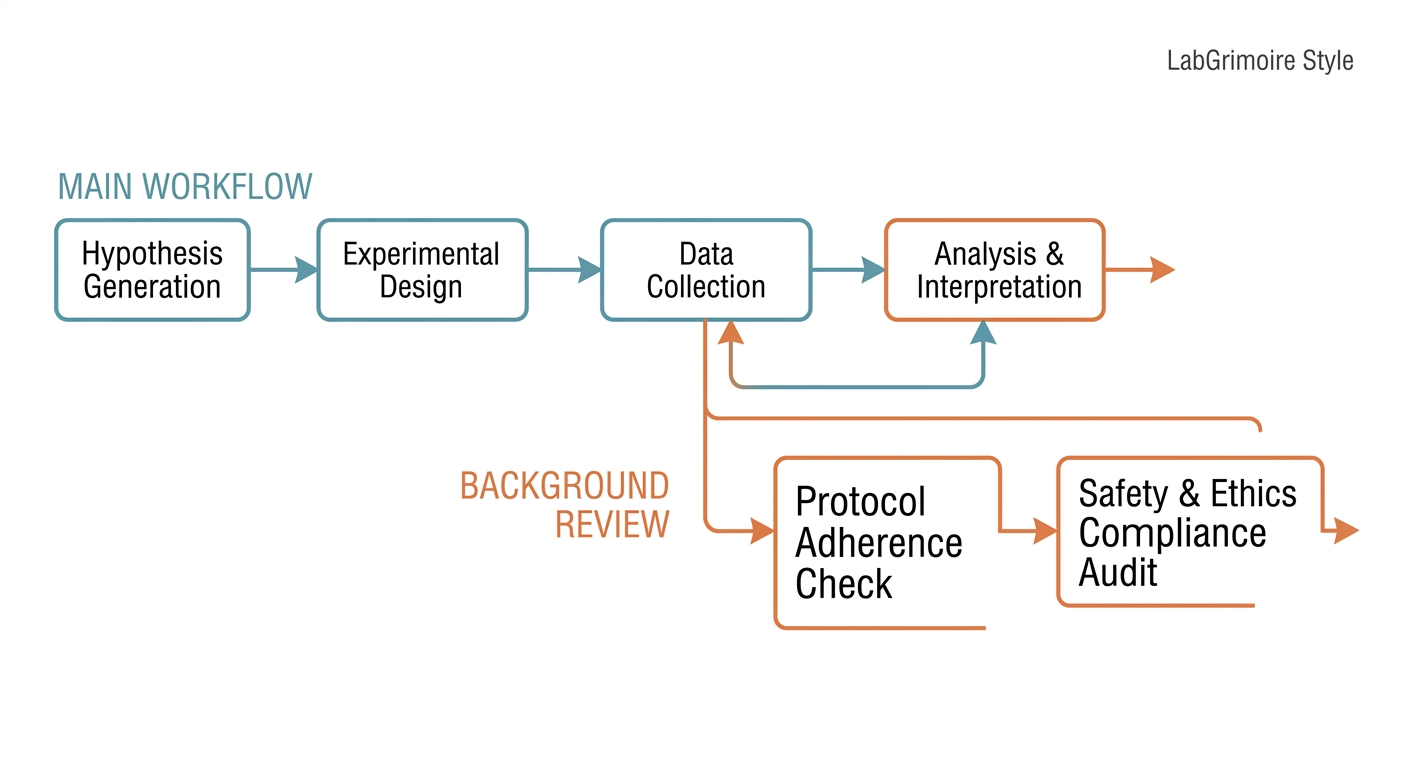
The background execution model is the other half of the appeal. Some reviews should not block the main coding session. They should be handed off, left alone for a while, and collected later. This plugin makes that feel native instead of bolted on.
Where It Is Strong
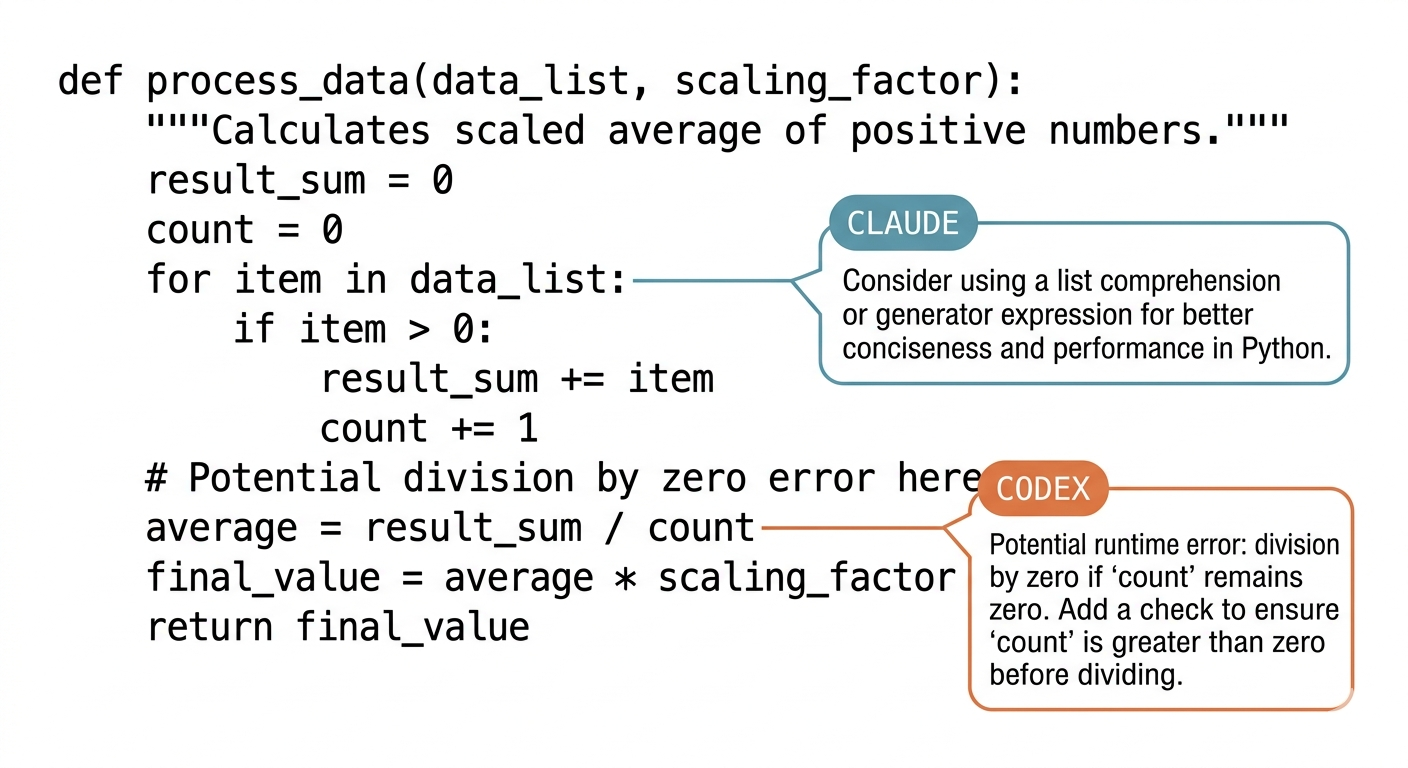
- It delivers a real second-model review perspective
- Background execution and job-state handling are useful in practice
- It fits naturally for people already committed to Claude Code
Where It Fails
- Your code is leaving the local boundary and going to OpenAI
- Usage is not free, so cost discipline matters
- Some advanced gate behavior introduces timeout risk
Pricing, Difficulty, and Risk
This is a usage-based tool with moderate difficulty. If you already use Claude Code, the interaction model is easy enough. The harder question is governance: which repositories are allowed to leave your boundary and which are not. That decision matters more than the command list.
Verdict
Adopt it if you want a real second-model review path inside Claude Code and your team accepts the OpenAI boundary. Skip it the moment that boundary is not acceptable, because no feature here outranks that constraint.