
Best For
Claudian is best for people whose work already starts inside Obsidian. If your notes, drafts, research structure, and working files all live in the vault, reducing context switching matters more than it sounds.
How I Actually Use It
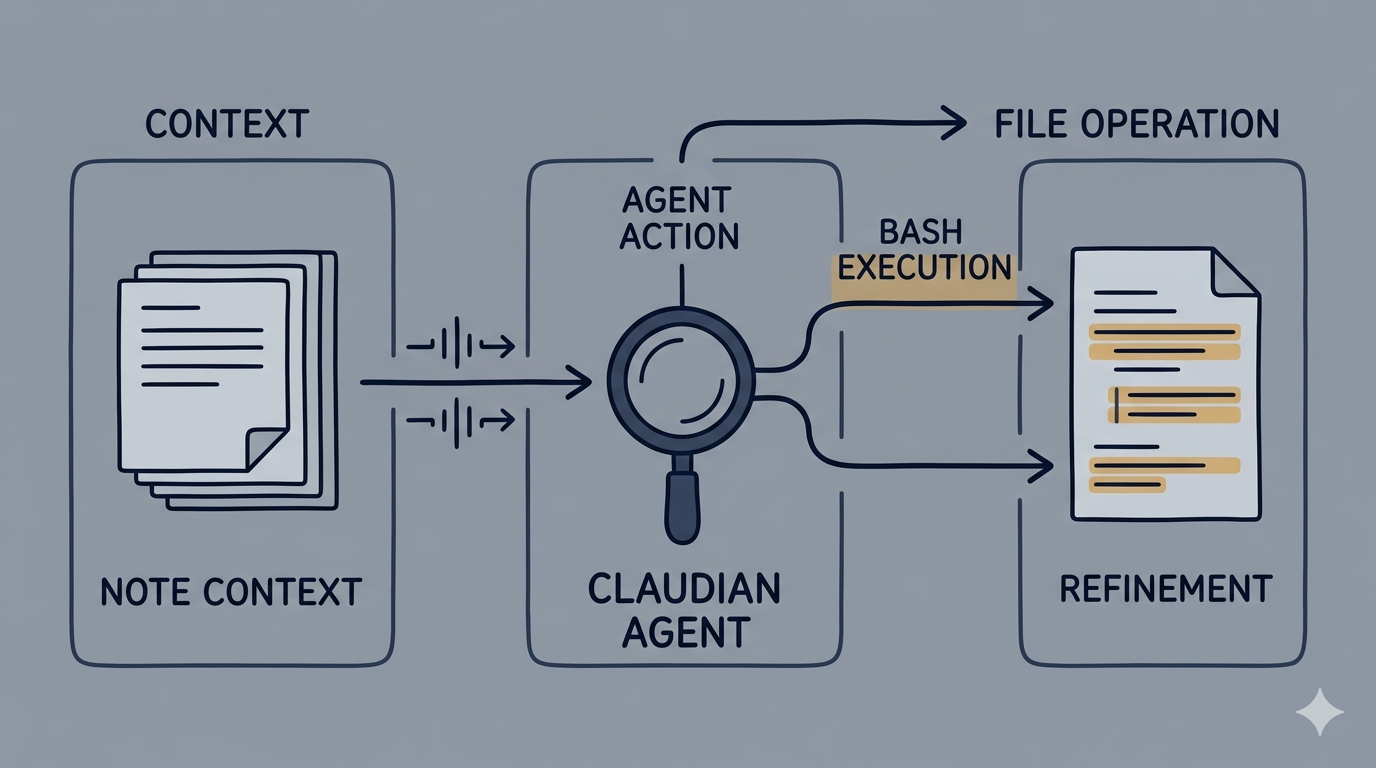
What makes Claudian interesting is not that it adds AI to a notes app. It brings Claude Code-style file access and multi-step workflows into the same environment where the thinking already happens.
That matters most in note-first workflows. If you are constantly selecting notes as context, revising drafts, restructuring folders, and moving between writing and execution, doing that inside the vault can feel much more natural than bouncing between separate tools.
Where It Is Strong

- Strong fit for Obsidian-first workflows
- Context attachment is much cleaner than repeated copy-paste
- Inline editing and file operations fit drafting and note refinement well
- Permission modes make the tool more usable in real work
Where It Fails
- If Obsidian is only a passive archive for you, the value drops sharply
- More power also means more trust and more workflow complexity
- Terminal-first users may still prefer plain Claude Code
- Giving an agentic tool write access to your vault is a real boundary decision
Pricing, Difficulty, and Risk
Claudian is open-source, but it is not a zero-cost workflow. You still need the surrounding Claude setup, and the real risk is access: file edits, command execution, and the habit of treating your vault as a writable work surface.
Verdict
Adopt it if Obsidian is genuinely one of your daily work interfaces. Skip it if your vault is mostly storage, because the extra power will feel like overhead instead of leverage. rage.