
Best For
This project is best for people designing agent systems, not people shopping for a ready-made product. If you are building your own workflow, memory model, or verification layer, it gives you a much clearer runtime mental model than most framework landing pages do.
How I Actually Use It
I would use ai-agent-deep-dive as a design reference, not as a production runtime. The real value is the written structure: layered memory, skill discovery, verification roles, tool execution flow, and context compaction. It helps you reason about what an agent system should contain before you start wiring tools together.
Where It Is Strong
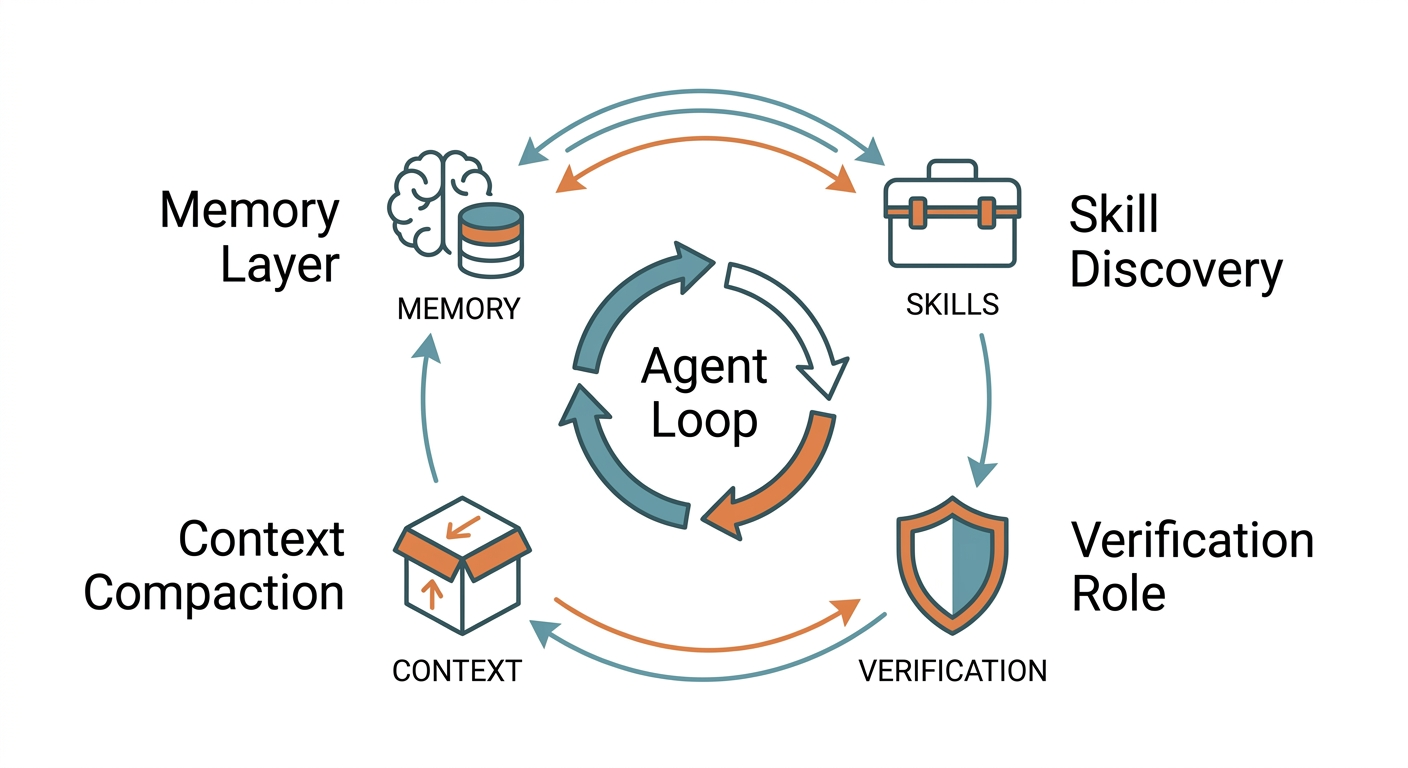
- The documentation is the real product
- It explains agent runtime design in a readable, layered way
- Memory, verification, and context boundaries are treated seriously
- The minimal Python code makes the architecture easier to inspect
Where It Fails
- It is not a production-ready framework
- The implementation is much smaller than the design ambition
- The FakeLLM setup is good for teaching, weak for proving real-world behavior
- Users looking for an install-and-run tool will likely be disappointed
Pricing, Difficulty, and Risk
It is open-source, so the cost is not license fee. The real cost is cognitive: you need enough systems thinking to benefit from it. Difficulty is high because this is a builder-facing resource. The main risk is overestimating implementation maturity based on the quality of the docs.
Verdict
Use it if you are designing agent runtimes and want stronger architecture judgment. Skip it if you need a polished framework you can deploy immediately.