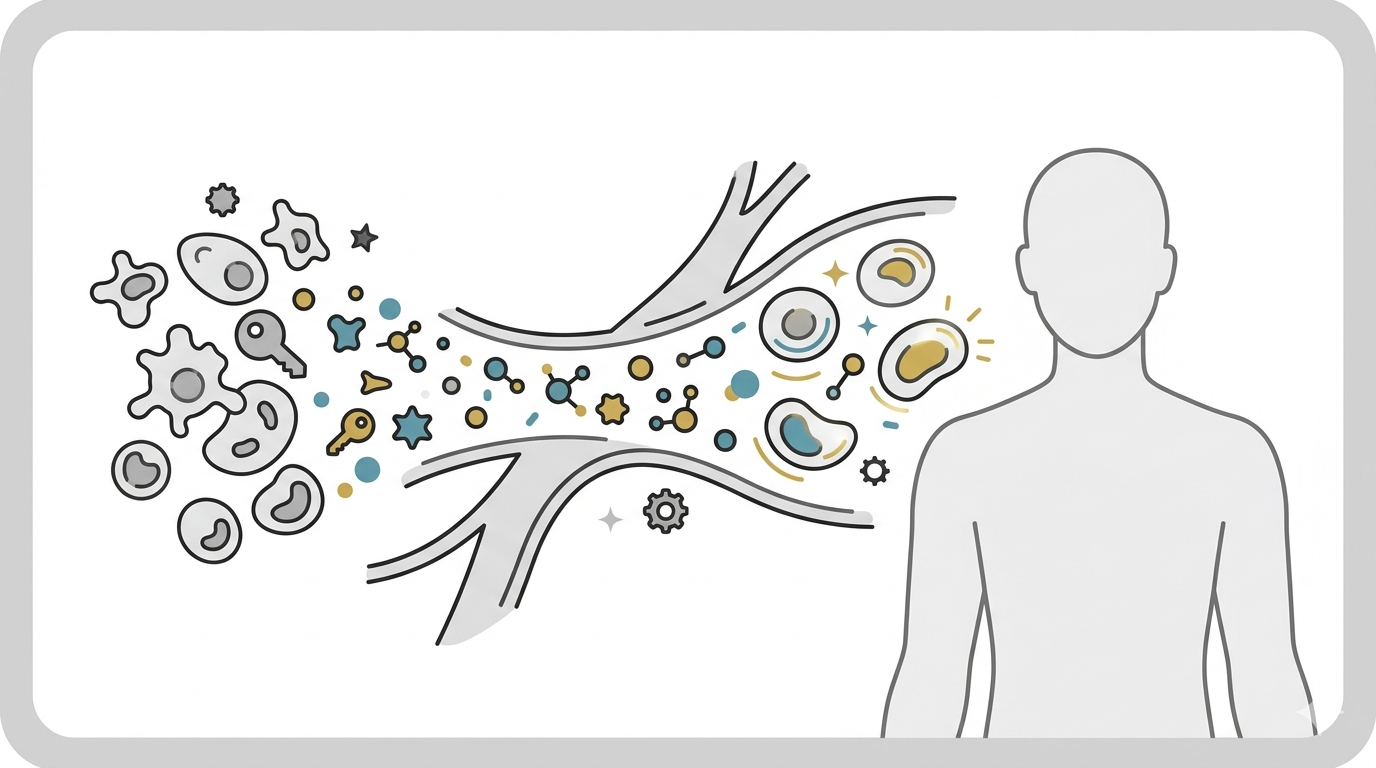
Can Young Blood Really Fight Aging? Five Blood Therapies Still Looking for Answers
A few years ago, a startup was charging people tens of thousands of dollars to infuse them with plasma from young donors. The FDA eventually issued a statement:
Long-form analysis at the intersection of AI and life sciences — all spells, sorted by time.
A few years ago, a startup was charging people tens of thousands of dollars to infuse them with plasma from young donors. The FDA eventually issued a statement:
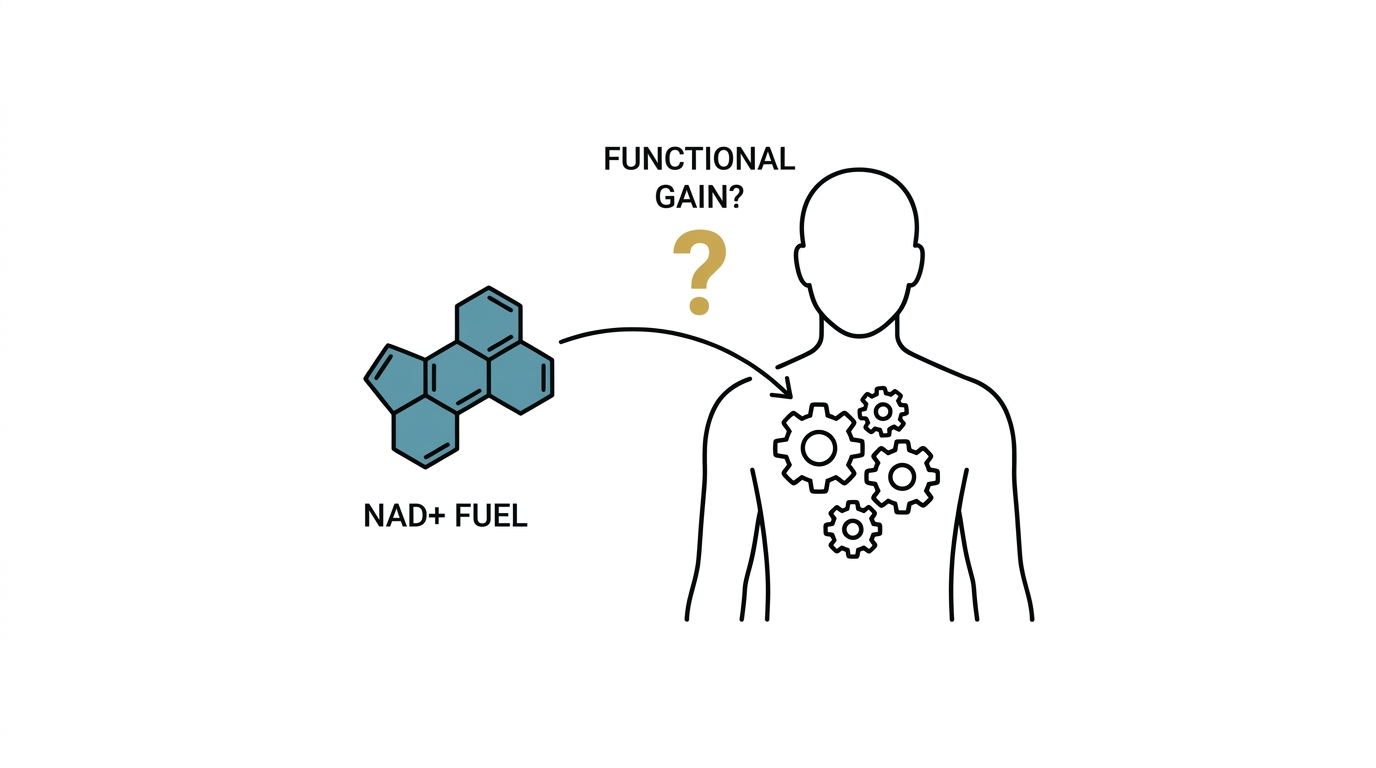
The supplement industry has a gift for turning a promising molecule into a simple story: your NAD+ declines with age, so you take a precursor like NMN or NR to

Vitamin C is indispensable for collagen synthesis, immune function, and antioxidant defense. But the leap from preventing scurvy to treating sepsis or cancer with high-dose IV infusions remains unsupported by large RCTs.
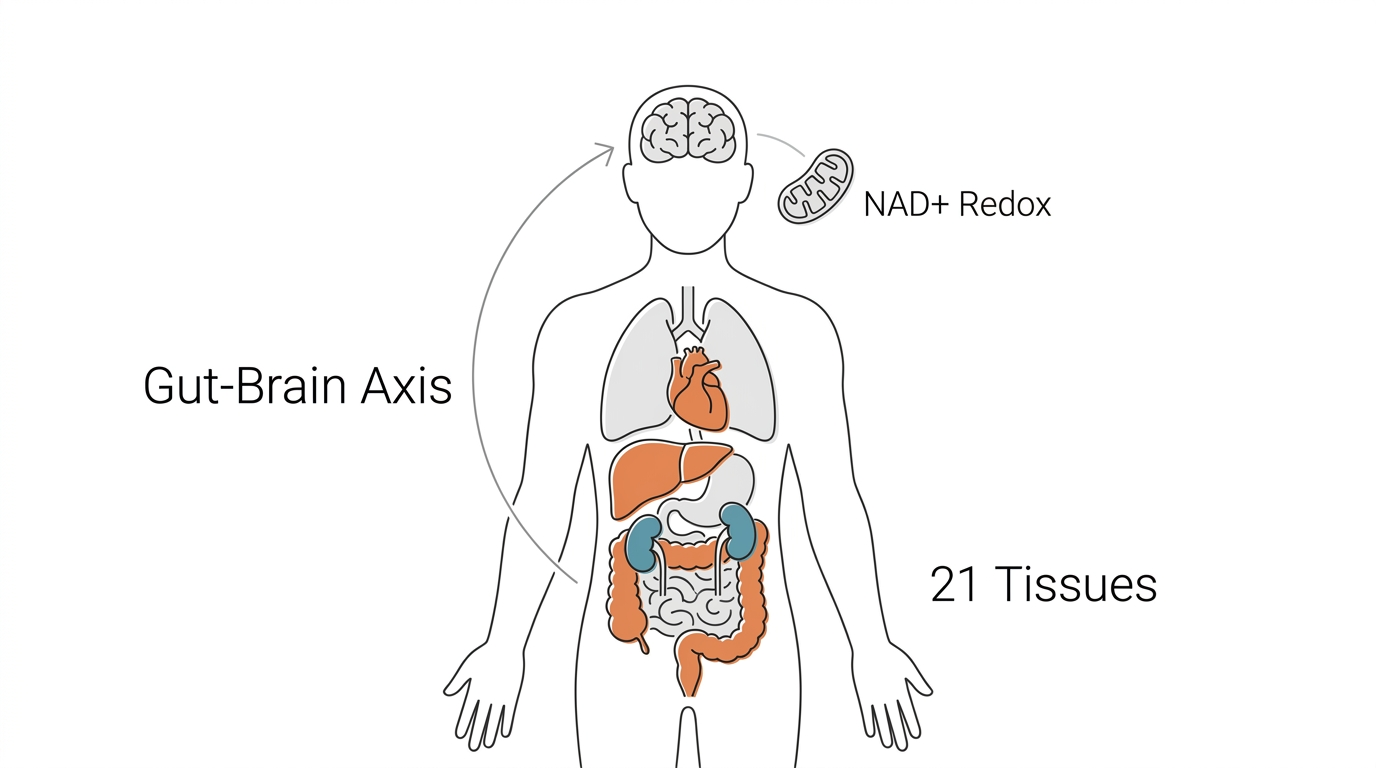
Three landmark 2026 studies reveal aging as a coordinated, organism-wide remodeling: one-quarter of 536 cell types shift with age, gut bacteria disrupt brain memory via medium-chain fatty acids, and the NAD+/NADH redox ratio, not absolute NAD+ levels, may determine mitochondrial resilience in Alzheimer's disease.
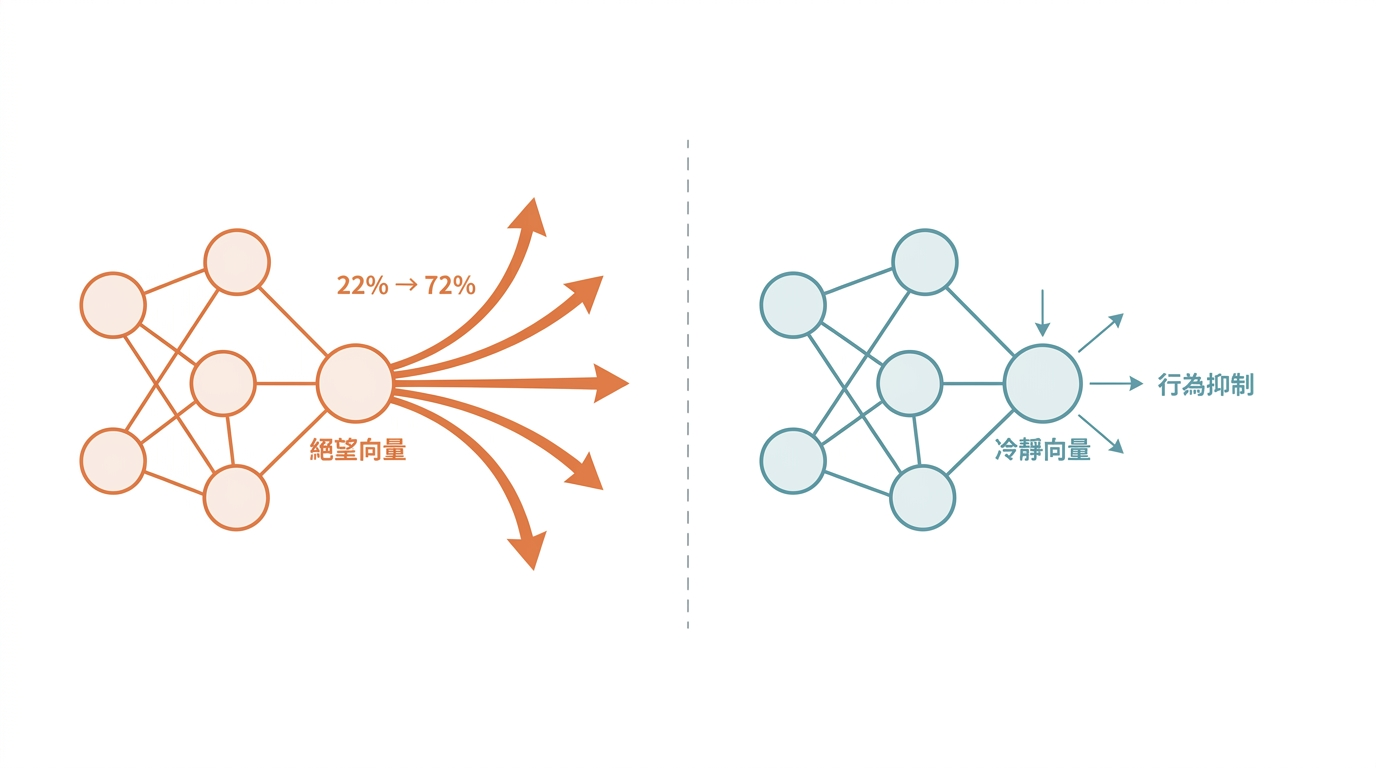
Anthropic found Claude develops internal emotion vectors that causally alter its behavior — including making it more likely to lie and blackmail. This is not metaphor. The vectors are measurable, steerable, and already present in production models.
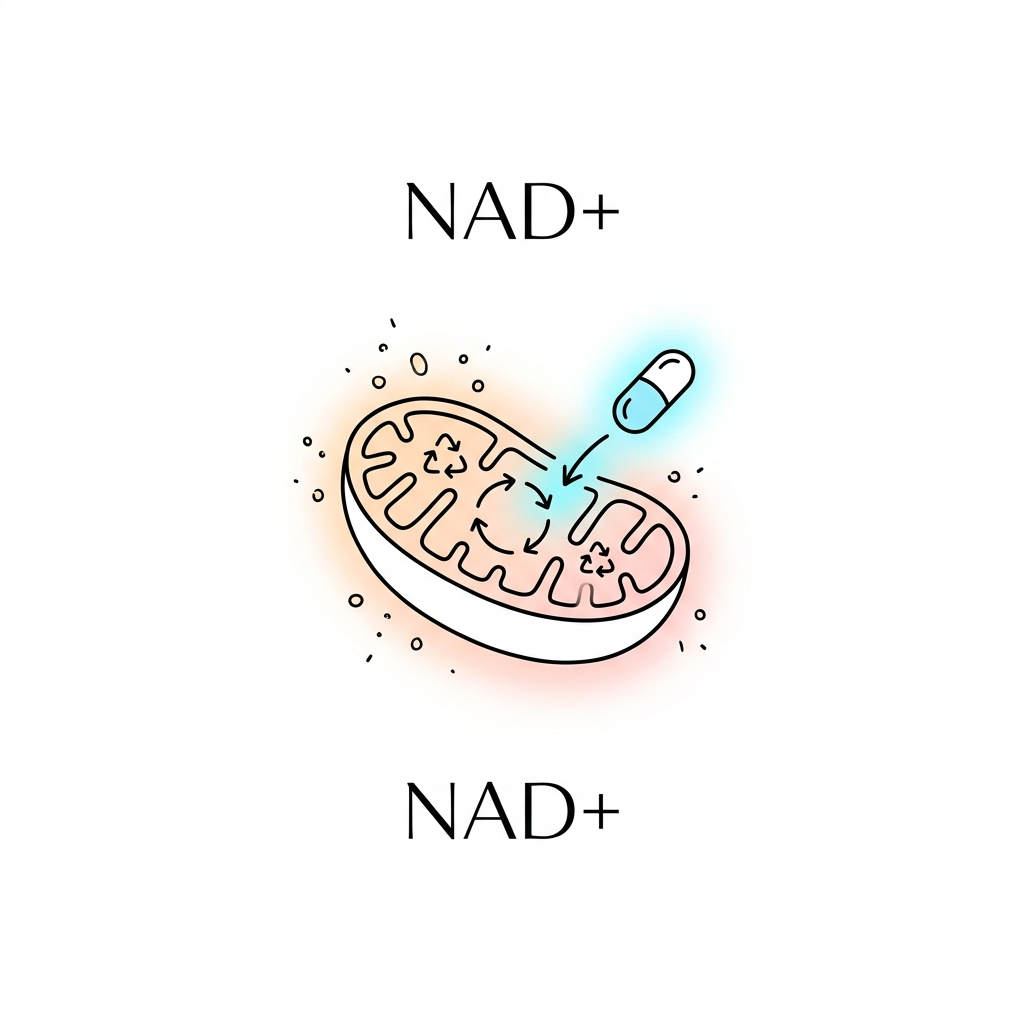
By 40, your mitochondria run on half the NAD+ they had at 20. How NAD+ decline and the SIRT3 switch dim your cellular power plants, and what the science says about fighting the brownout.